


The Takchoulte, the goatskin water bag of Amazigh rural life
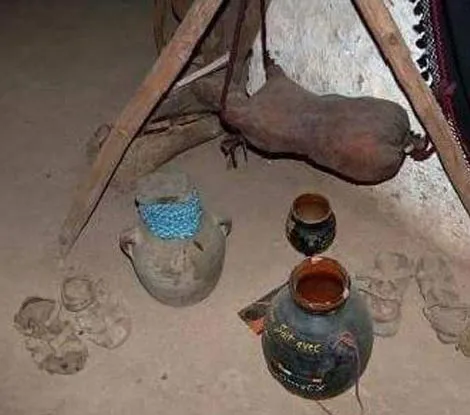
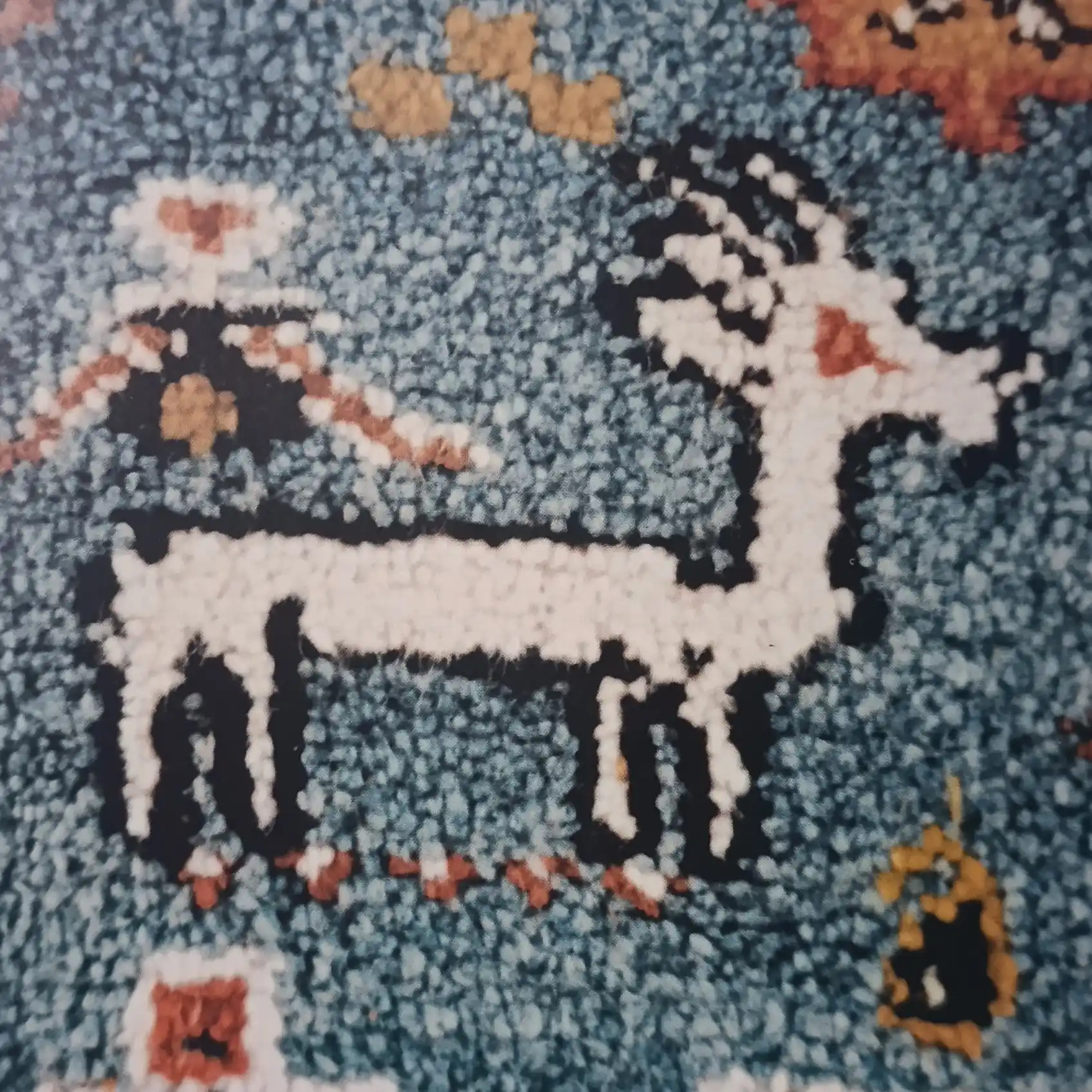
A familiar object of Amazigh rural life, the Takchoulte is a goatskin water bag traditionally used to store water and keep it cool. Tradition even held that the water it contained was particularly wholesome.
How was a Takchoulte made?
After a goat was slaughtered, its skin was placed in a container with a bitter herb intended to help remove the hair. Several days later, the remaining hair was scraped away and the edges of the skin were sewn closed, except around the neck, which was left open to form the mouth of the bag.
The skin was then placed back in the container for several more days with the same herb, helping to remove the last impurities and odours. Once thoroughly washed, the Takchoulte was hung in a shaded place. It was then ready for use, naturally keeping the water inside cool.
Despite the arrival of modern containers, this goatskin bag long remained a familiar object in the Amazigh countryside of southern Morocco.
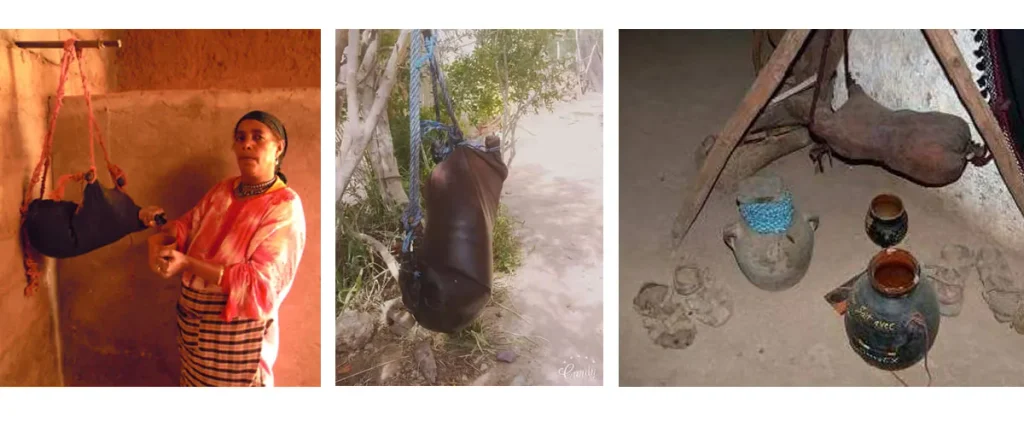
A water bag always kept close at hand
In Arabic, such a goatskin bag is called a qirba, or Lgourba in Moroccan usage. The word belongs to the same Arabic root as several terms associated with the idea of proximity. This may perhaps explain the appealing image of a vessel that was always kept close at hand, particularly during the hottest weather.
The Takchoulte was not used only to store water. Goatskin bags were also used to ferment and churn milk, separating the butter and producing lben.
And sometimes, within the private world of women, they could also conceal an object of value.
Explore all features in: The Berber world
Share your knowledge of the Amazigh world
More fragments from the Berber world


Leave a Reply