


The root of dearth: a Berber testimony from the past
One root, several names
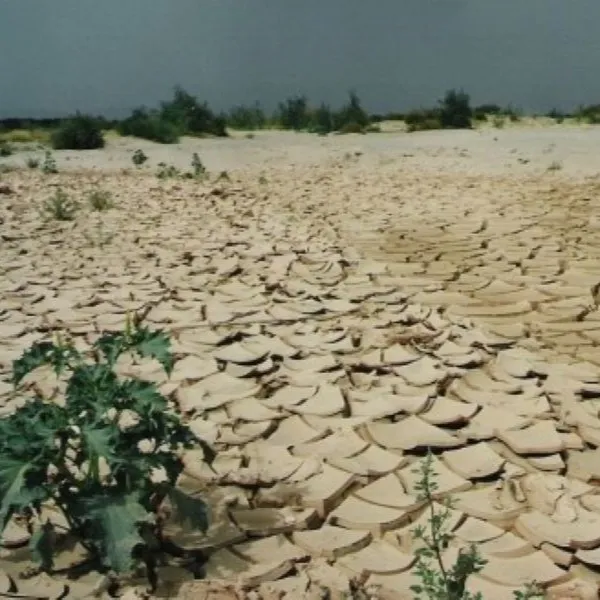
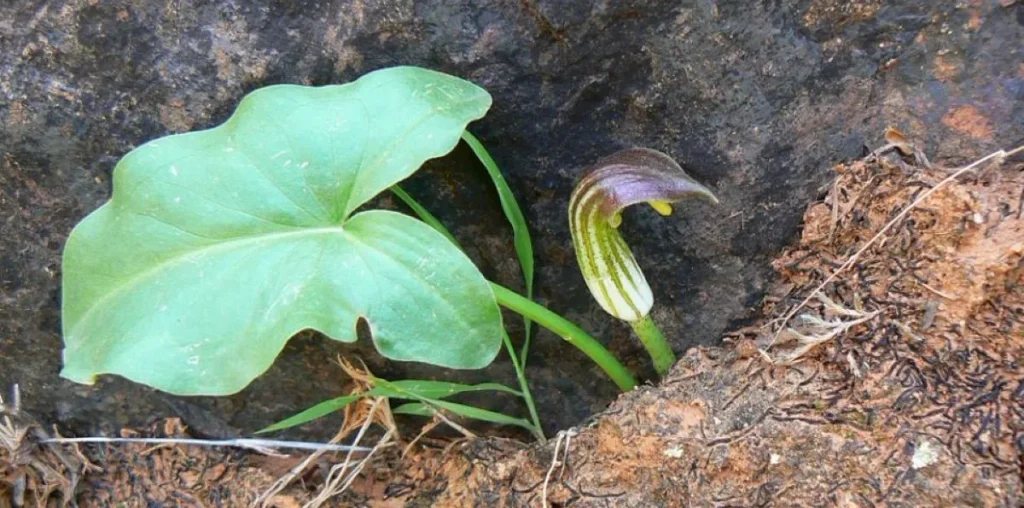
It was called wainrî among the Ida Oukensous, ainrî further north, and agërni among the Zemmour. From one tribe to another, the word changed; the plant remained the same — a tuber belonging to the arum family, identified today as Arisarum vulgare. It was also found among the Ida Gounidif and the Ntifa: hunger, apparently, paid little attention to tribal boundaries.
Its preparation required real knowledge. The roots were washed, dried in the sun, pounded, then steamed for a long time before being ground into a coarse flour. From this flour came bread or couscous, which Laoust himself describes as “not very nourishing” — food of last resort, never food for a feast.
The price of getting the quantity wrong
There was nothing accidental about the care taken in its preparation. Laoust records a belief found among several tribes: eaten in excessive quantities, the root was said gradually to blacken the skin and eventually cause death, unless the person changed their diet in time. A food of survival, then, but never an entirely safe one.
Better to hide than to be seen
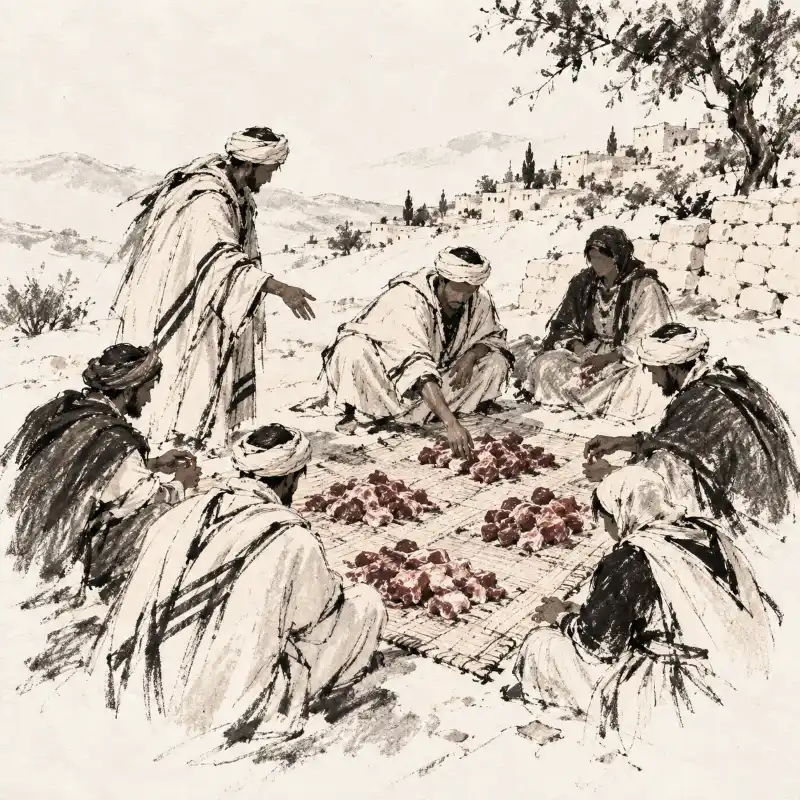
Hunger, in this testimony, was not caused by climate alone. Laoust notes that some households which still had stores of grain nevertheless continued to dig up the root — out of fear of the Makhzen. Better, it seems, to appear destitute than to appear prosperous.
Donkey ears for children
Yet the same plant did not belong only to years of hardship. When its leaves pushed through the earth, folded like little cones, children played with them. Among the Amanouz, they were seen as an “ogress’s ear”; among the Ida Gounidif, as “donkey ears”; among the Ida Oukensous, as “jackal plates”. Three tribes, three ways of seeing, the same leaf — hardship did not quite put an end to play.
What adults dug from the earth to stave off hunger became, in the eyes of children, donkey ears, jackal plates or the ears of an ogress. Even in times of dearth, play did not disappear entirely.
Explore all features in: The Berber world
Share your knowledge of the Amazigh world
More fragments from the Berber world

Leave a Reply