


Origin of the word Berber
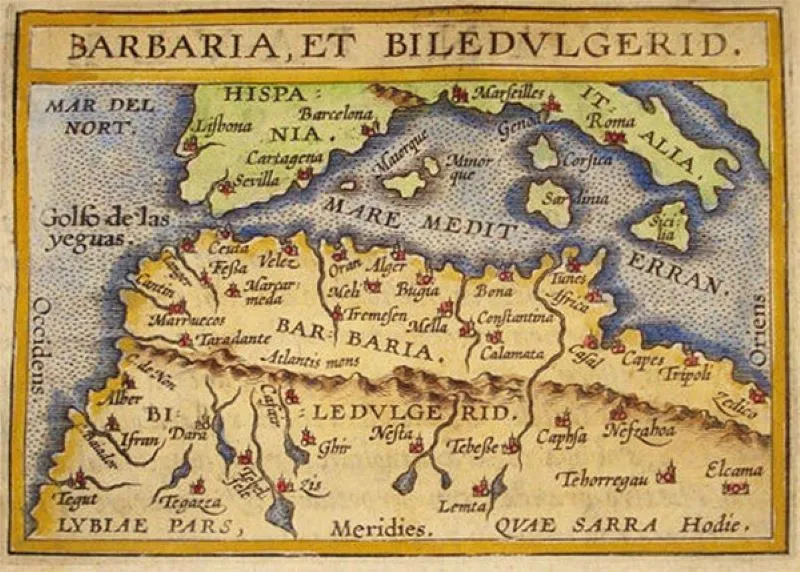
Where does the word ‘Berber’ come from? Used for centuries to describe the indigenous populations of North Africa, the name itself came from outside. From the Greek barbaros to medieval Arab writers and later the European notion of ‘Barbary’, its history also tells us something about the ways in which the Maghreb has been viewed and named.
Where does the word ‘Berber’ come from?
The word ‘Berber’ is generally traced back to the ancient Greek barbaros (βάρβαρος), later adopted into Latin as barbarus. Among the Greeks, the term initially referred to people whose language they could not understand, before acquiring the broader meaning of someone foreign to the Greek and later Greco-Roman world.
It was therefore not originally the name of a particular North African people. Greek and Roman sources used many different names for the populations of the region, including Libyans, Numidians, Moors, Gaetulians, Garamantes and Mazices, depending on the period, territory and people concerned.
These names are not interchangeable. On the contrary, they reflect the diversity of peoples and societies encountered by ancient writers in North Africa.
How did the name become established in the Maghreb?
The term subsequently appears in Arabic sources in the form al-Barbar. Muslim historians and geographers increasingly used it to describe the indigenous populations of the Maghreb in all their diversity.
In the fourteenth century, Ibn Khaldun devoted considerable attention to them in his Kitāb al-ʿIbar. Part of this vast historical work later became known in French as Histoire des Berbères — History of the Berbers. By then, the word had long since become a broad historical category encompassing very different peoples, tribes and dynasties.
The populations themselves nevertheless had their own names. Amazigh, plural Imazighen, is today the most widely used endonym. It is often translated as ‘free man’ or ‘noble man’, but this should not be regarded as an established etymology: the precise origin of the word remains debated.
From ‘Barbary’ to the Barbary Coast
From the sixteenth century onwards, Europeans commonly used the name Barbary for a large part of North Africa, from Morocco to Tripolitania. Expressions such as the ‘Barbary States’ and the ‘Barbary Coast’ became familiar on maps and in European travel writing and diplomatic language.
The term became particularly associated with the Barbary corsairs, who operated in the Mediterranean and Atlantic for several centuries. Yet ‘Barbary’ did not mean ‘Berber’ in an ethnic sense. These corsairs came from many different backgrounds, including North Africans, Ottomans, sailors from elsewhere and numerous European converts and renegades.
Until the nineteenth century, ‘Barbary’ remained a common European designation for the Maghreb.
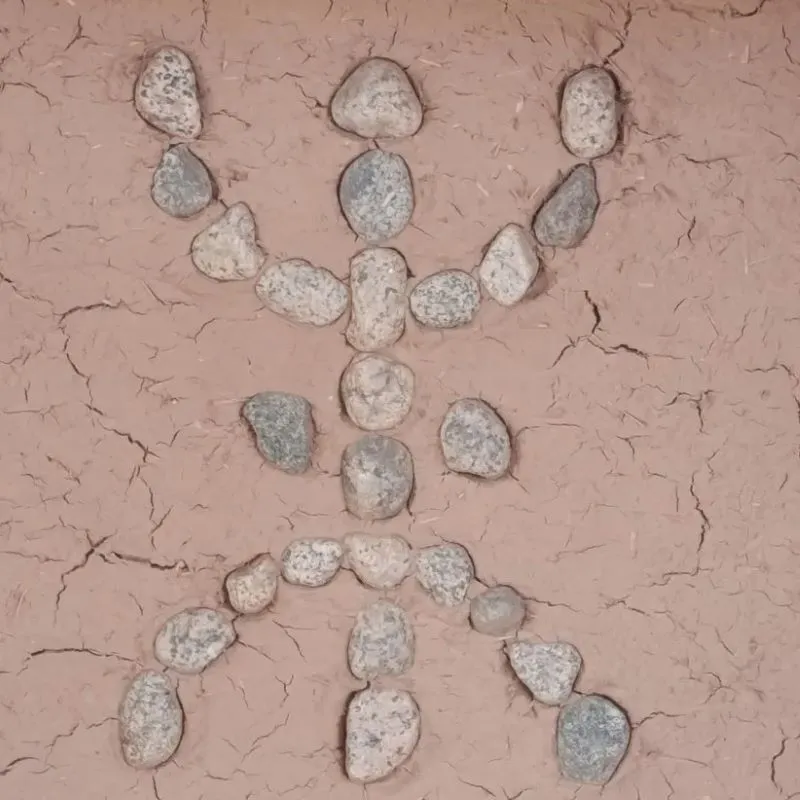
Read also: Yaz, the Amazigh sign of the free man
Read also: Berber or Amazigh: the origin of a word and the history of a name
Explore all features in: The Berber world
Share your knowledge of the Amazigh world
More fragments from the Berber world

Leave a Reply