


What if Moroccans finally discovered their own country?
Editor’s note — September 2026
This editorial was published in May 2020, at the height of the Covid-19 crisis, when the sudden halt in international tourism brought the question of domestic tourism in Morocco into particularly sharp focus.
Six years later, the context has changed, but the central question remains: the discovery, by Moroccans themselves, of their country’s rural territories, heritage and memories, particularly beyond the Atlas Mountains.
The unimaginable has happened in Morocco, as everywhere else on our planet. Aircraft have been grounded for more than two months, the roads are empty, coaches and grand taxis have stopped criss-crossing the country. The tourists have gone. Hotels are empty, as are guesthouses, cafés and restaurants. Every profession connected with tourism has come to a standstill, caught overnight in a state of complete immobility. The lanes of the medinas, ksour and kasbahs are deserted. The bazaars have closed their doors, the souks have fallen asleep. The tea has gone cold, and bitter.
Everyone knows it. Tourism plays an important role in Morocco’s economy, not only in terms of the official figures — GDP or foreign-currency revenues — but also, and perhaps above all, because of the vast submerged world of the informal economy. In practical terms, tens of thousands of people, and their families, now find themselves without an income.
Tourism has also played a major role in the evolution of Moroccan society, encouraging a culture of hospitality and sustaining a beneficial openness to the world and an encounter between cultures.
What will happen now? Are we about to witness a profound change in the way people travel? Is this the end of cheap journeys across the planet? Is mass tourism destined to disappear? Nobody knows. What does seem likely, however, is that foreign tourists will only return to Morocco gradually, perhaps not for many months, as caution is likely to outweigh the desire to travel elsewhere.
Morocco’s key question, therefore, is what it will make of the period ahead — a period as blank as a new page in the book of its existence.
For the vast majority of Moroccans, rural Morocco remains terra incognita
One thing seems clear, and many other countries struck by the same tourism crisis have already begun preparing for it: domestic tourism must be able to help save the tourism economy, and for that to happen Moroccans must decide to travel within their own country. Calls to do so are multiplying, and the Moroccan National Tourist Office has launched an awareness campaign on public television under the slogan #3lamantla9aw, which can be translated as until we meet again, with the aim of encouraging Moroccans to choose Morocco.
The initiative is commendable, but the challenge appears difficult, given that the relatively weak share of domestic tourism has long been a constant feature of Morocco’s tourism economy. There are obstacles that will have to be faced openly if there is any hope of reducing them.
The first is the attitude of tourism operators in Morocco, who have always regarded the foreign traveller as their preferred customer. In practice, Moroccan travellers often do not feel welcome, particularly when they want to stay in a hotel. They know it, and accommodation providers make them feel it. Accommodation prices are also far too high for many Moroccan tourists, who will instead make their own arrangements and informally rent private accommodation in the places where they wish to stay.
The challenge facing domestic tourism, however, comes up against a much more difficult obstacle: while seaside destinations, from Dakhla to Nador, will always find an audience among Moroccans, the country’s interior — rural Morocco in all its diversity — remains terra incognita for the overwhelming majority of Moroccans, and is very likely to remain so for a long time unless an individual and collective awakening changes the situation.
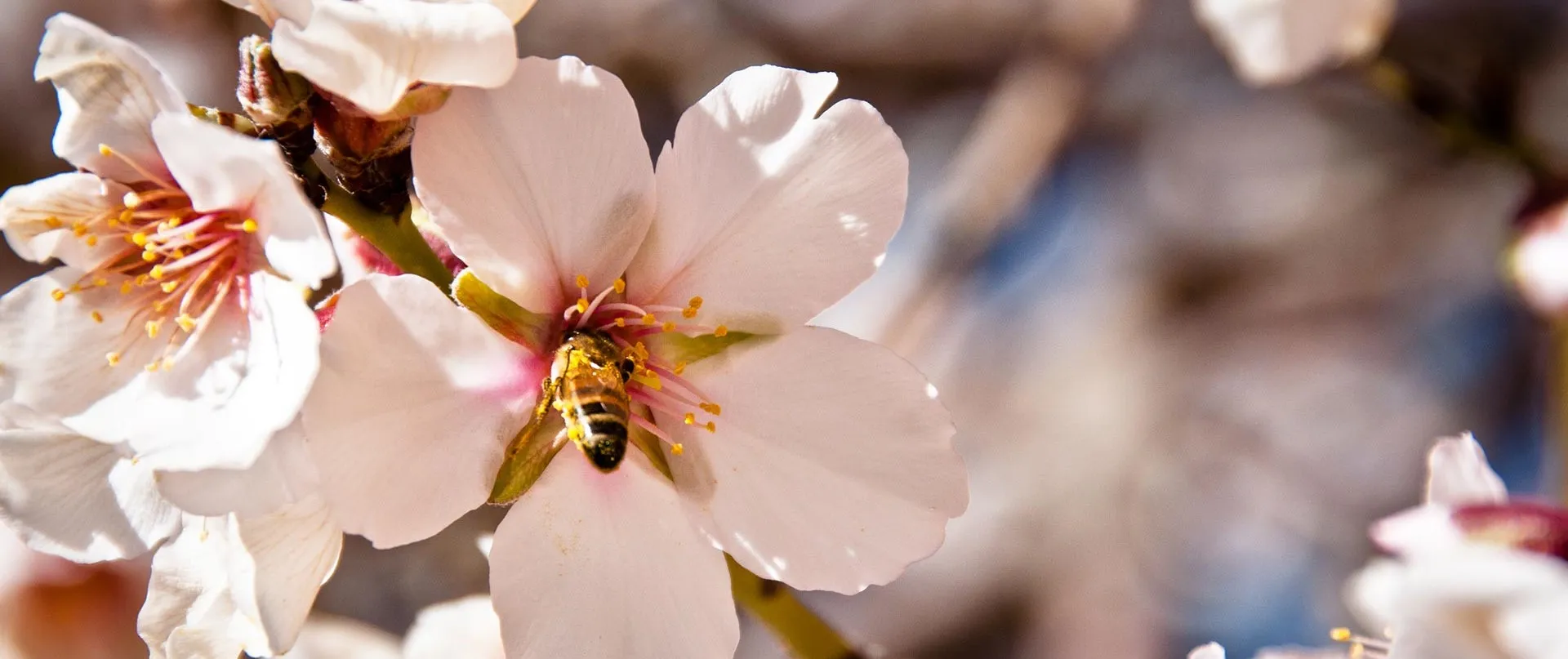
Rural Morocco should become the honey of a thriving domestic tourism sector
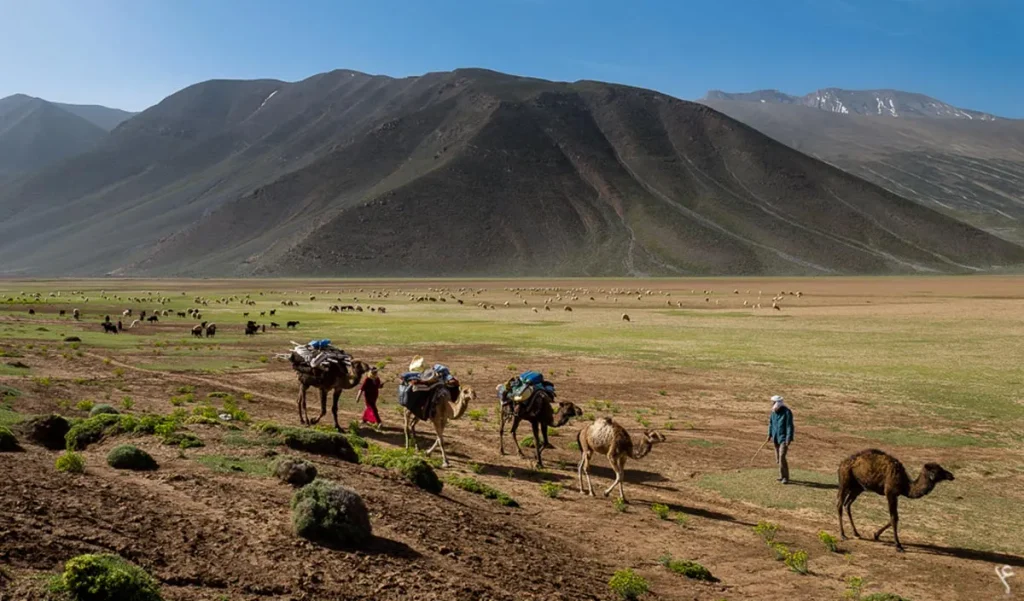
Yet inland Morocco, rural Morocco, lies at the very heart of the country’s identity. Its geographical position has endowed it with a dazzling natural environment whose power lies in its still-preserved authenticity. With its high mountains, valleys, rocky plateaux, green plains, but also its oases and, of course, its vast deserts, Morocco offers an extraordinary range of landscapes to anyone wishing to encounter nature in all its diversity.
While many foreigners have travelled, and will continue to travel, thousands of kilometres from their countries of origin to walk across the rocks of the Siroua or M’Goun, or tread the sands of the Sahara, how many Moroccans, how many young Moroccans, how many Moroccan families, have ever crossed one of their country’s oases? How many have spent a night beneath the stars of the Moroccan desert? How many have walked the paths alongside its wadis?
Rural Morocco is also, and above all, the memory of Morocco inscribed in its territories and in the communities of women and men who, since the earliest times, have written the history of the country; and more than that, who have built, stone by stone, gesture by gesture, word by word, the timeless body of its heritage.
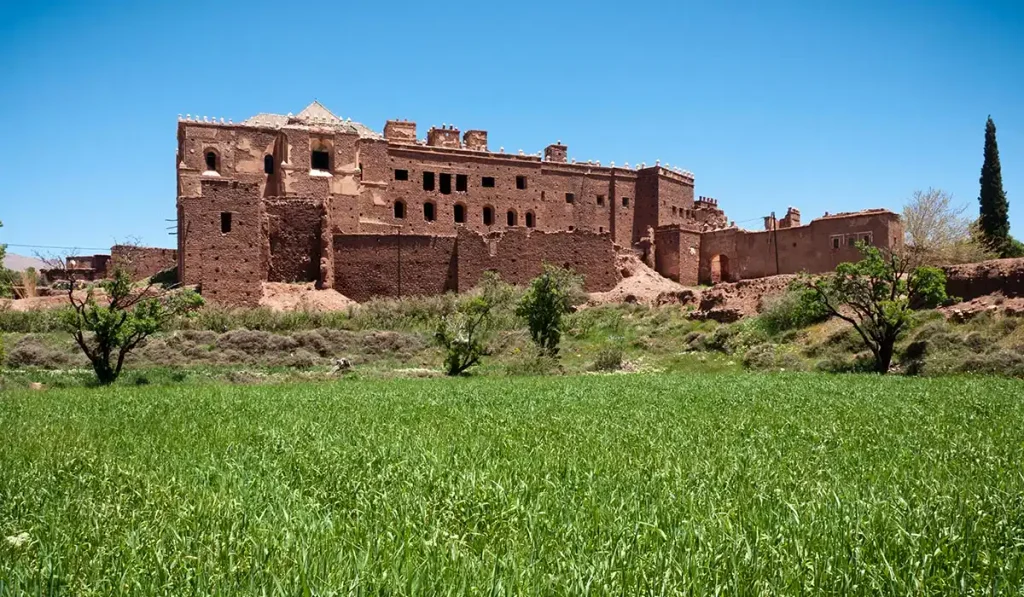
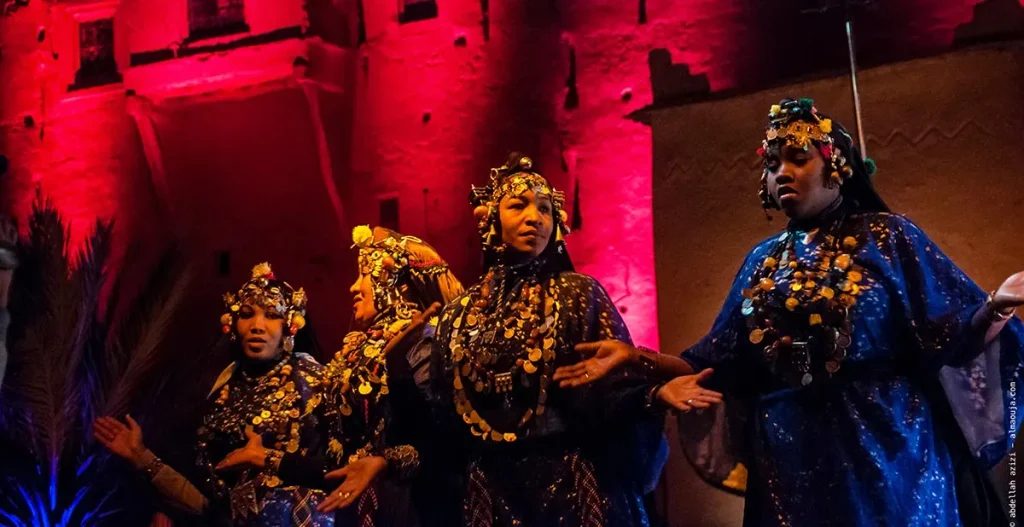
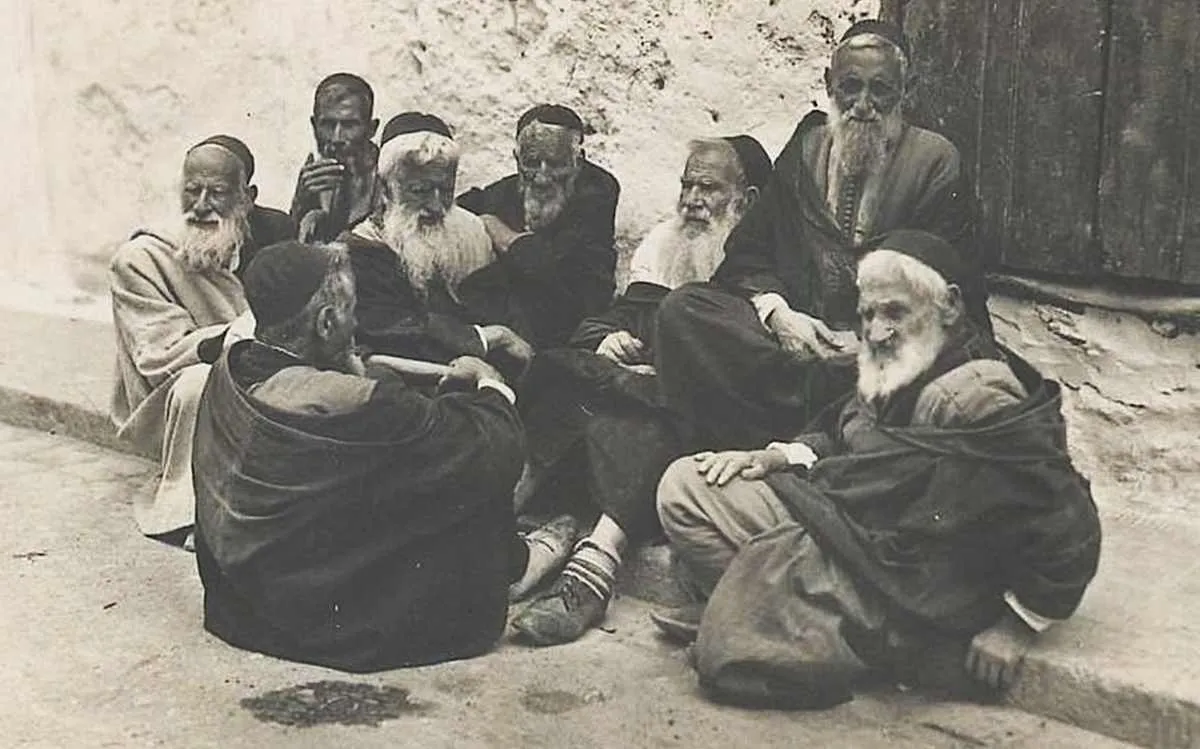
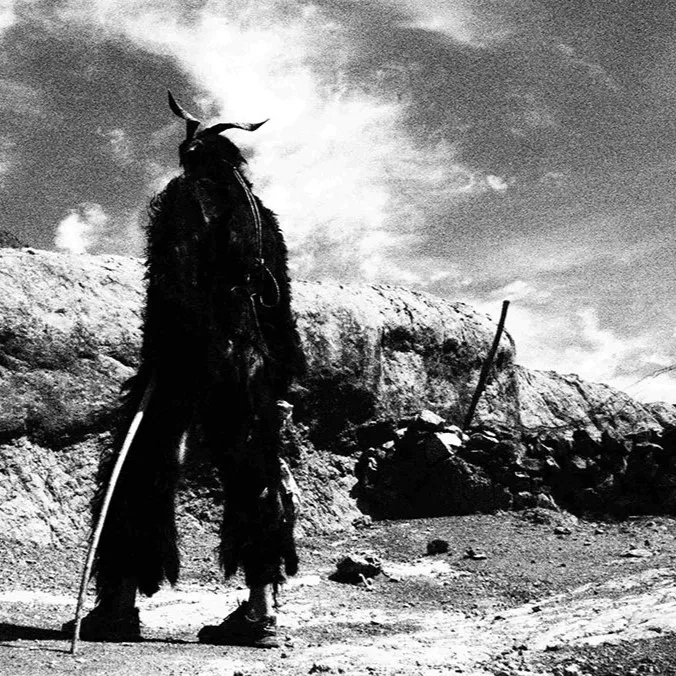
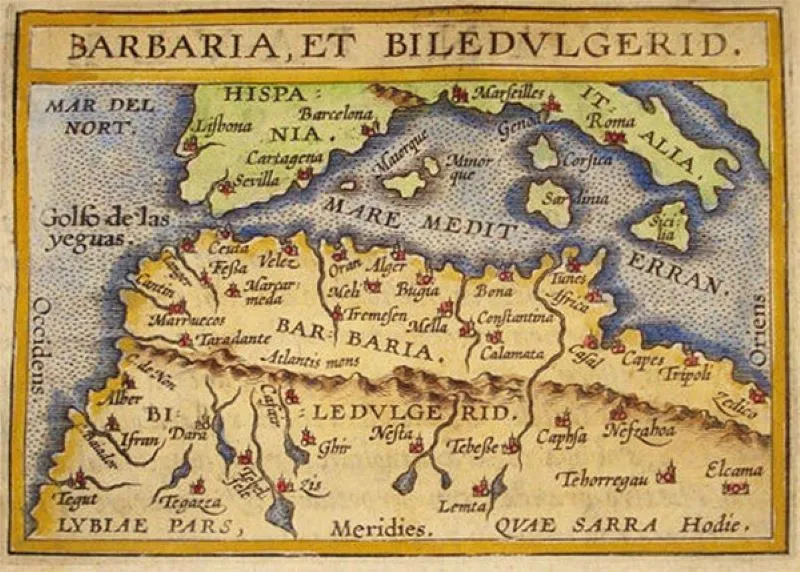
From prehistoric traces carved into rock to dinosaur bones; from the ancestral ways of life of Amazigh tribes, Jewish communities and communities from sub-Saharan Africa to the ruins of once-flourishing cities and the kasbahs of former lords; from the arts of dance and song and crafts whose origins reach back into little-known times to customs exchanged between continents along the great camel caravan routes; from the memory of great battles and their heroes, conquerors and resistance fighters alike… all these facets form the pantheon of a rich and abundant Moroccan history that deserves at last to be valued at its true worth, and to become the honey of a thriving domestic tourism sector.
The reality, however, is very different. A Moroccan wishing to discover his or her own history in all its diversity would find almost no organised tourism offer capable of providing a journey that would broaden their general knowledge and, above all, renew their pride in being Moroccan, confronted as they would be with the panorama of such a remarkable history.
South-Eastern Morocco is sitting on a treasure
South-Eastern Morocco illustrates this situation particularly starkly. Providence has made the region one of Morocco’s great natural and historical treasures, yet almost nothing has been done to ensure that travellers can find the structures, tools and environments they need for a memorable encounter with what is nevertheless one of the very hearts of Moroccan heritage — perhaps even its foremost one.
Who knows that South-Eastern Morocco once saw the birth and growth of the medieval city of Sijilmassa, whose influence once radiated across the African continent? How can one follow the traces of the first humans to have walked the lands between Tamgroute, Ouarzazate and Errachidia? What was life like in the great oases of the Drâa? How can one imagine the intensity of the great battles fought around the mountains of Tinghir, such as the Battle of Bougafer, where the Aït Atta tribes and their leader, Amghar Assou Oubaslam, mounted such fierce resistance? How can one recover the echo of the valiant warriors of the Aït Khbach or R’guibat tribes of the Sahara? How can one walk through the Ouarzazate of the French Protectorate, a period that was nevertheless so eventful? How can one immerse oneself in the culture of the Jewish communities that helped build so much of South-Eastern Morocco, with their hands, their minds and, above all, their hearts?
Who still knows that the Alaouite dynasty of King Mohammed VI has its roots in the Tafilalet, and how can its epic journey to Rabat be discovered? Who has felt the coolness of the Valley of Roses in the Dadès and that of the Drâa palm groves? Who can see the bones of the oldest dinosaur ever discovered in Morocco, just a few kilometres from Ouarzazate?
South-Eastern Morocco is sitting on a treasure, on that rich honey capable of drawing countless Moroccans — families, children and young people — into its territories, all of them surely eager to discover their own history and to recognise themselves as the heirs of such a universal heritage.
Towards a new paradigm of territorial development
So how do we prevent this honey from turning into sand?
The key to success lies in a collective mobilisation equal to the scale of the crisis and what is at stake. Nothing less is required than a new paradigm of territorial development, and the Drâa-Tafilalet region could become its laboratory, not only because it is a newly created region, but above all because it carries within it a considerable share of Morocco’s history: a paradigm in which the protection and enhancement of natural, cultural and historical heritage become the structuring and dynamic foundations of public policy.
Tourism professionals will, of course, have to orient their offers more decisively towards the discovery of these pillars of regional identity: nature and history. Local public authorities will also have to invest in the infrastructure needed for museums and ecomuseums finally to emerge, enabling the Moroccan public to encounter all the treasures of the territory: here devoted to dinosaurs or minerals, there to oases or Amazigh crafts, elsewhere to the story of the French presence or the great heroes of the region, further on to the contributions of Jewish communities and peoples from the great South, or to the history of ksour and kasbahs.
Those responsible for tourism will have to move beyond the postcard mentality and understand the value both of territorial marketing and of a cultural calendar.
Moroccans themselves, too, will have to rediscover within themselves that thirst for culture, that desire for memory, that appetite for history. Moroccan media, like schools, could certainly play a stronger role in redirecting the Moroccan gaze towards the country itself, and in teaching people to look upon it with appreciation, grounded in the factual reality of the countless natural and cultural riches with which Morocco is endowed. Yet this may ultimately be the easiest condition to fulfil, because, like every human being, Moroccans instinctively know that their inner balance and the strength of their identity depend upon a continuity of consciousness between their origins and their horizons.
All that is needed, then, is to make available to Moroccans the full richness of their history — in its plurality, in its truths, and in its capacity to form part of our shared humanity. Here in South-Eastern Morocco, as everywhere else across rural Morocco.
The challenge is to awaken Morocco’s memories
Ultimately, this rural Morocco, this magnificent setting of nature and memory, now carries within it an essential dimension of the country’s modernity, at a time when the aspiration towards greater ecological awareness is growing ever stronger throughout the world.
The slogan of the Moroccan National Tourist Office nevertheless seems somewhat naive, because this is not simply a matter of bringing Moroccans and their country back together. It is about responding to a more general slumber of memory in Morocco.
The challenge is nothing less than to awaken our gaze, to force it away from all the superfluities of modern life and rediscover the path back towards ourselves, collectively as well as individually, so that we may encounter our true face: the true face of Morocco — ancestral, natural, rainbow-coloured.
Something like a gaze towards beauty.

More to Explore
Leave a Reply