


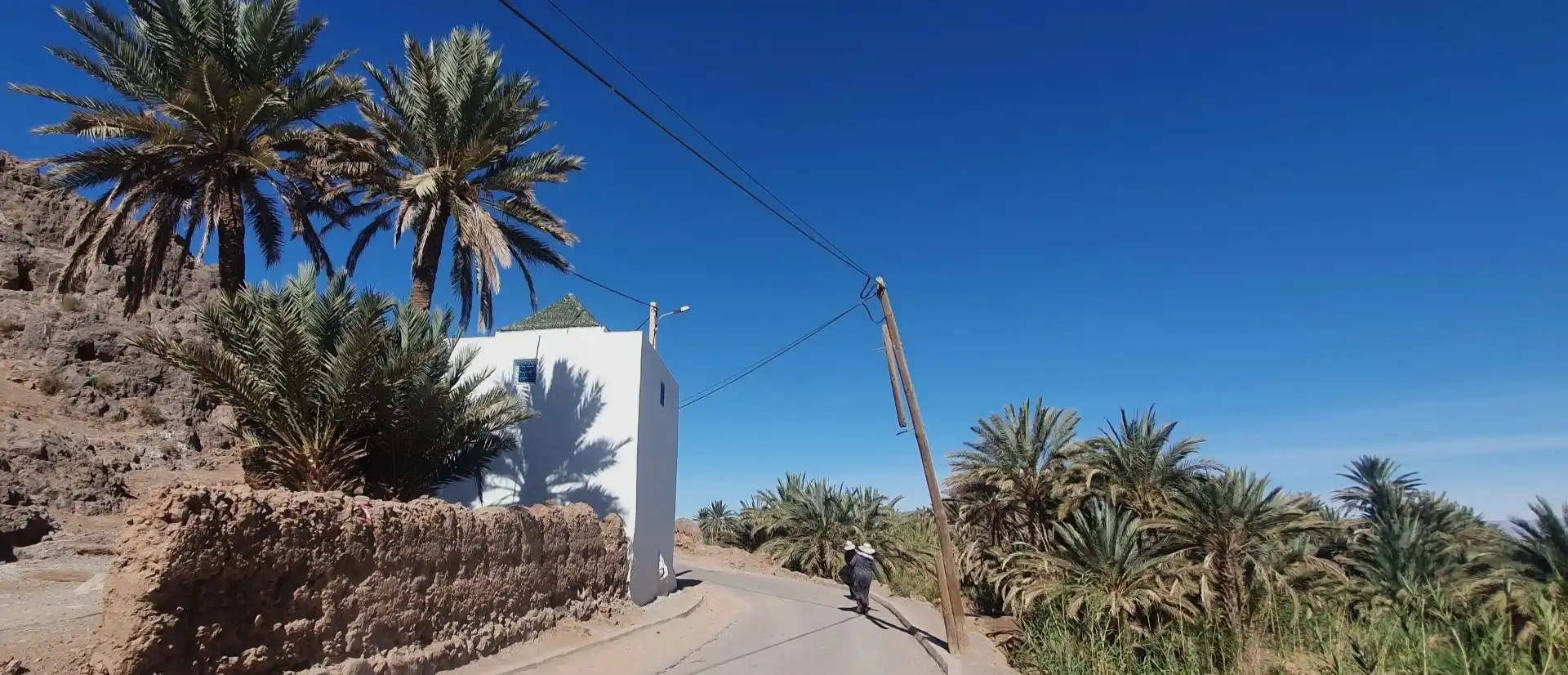
Moulay Yaâcoub, the women’s wailing wall
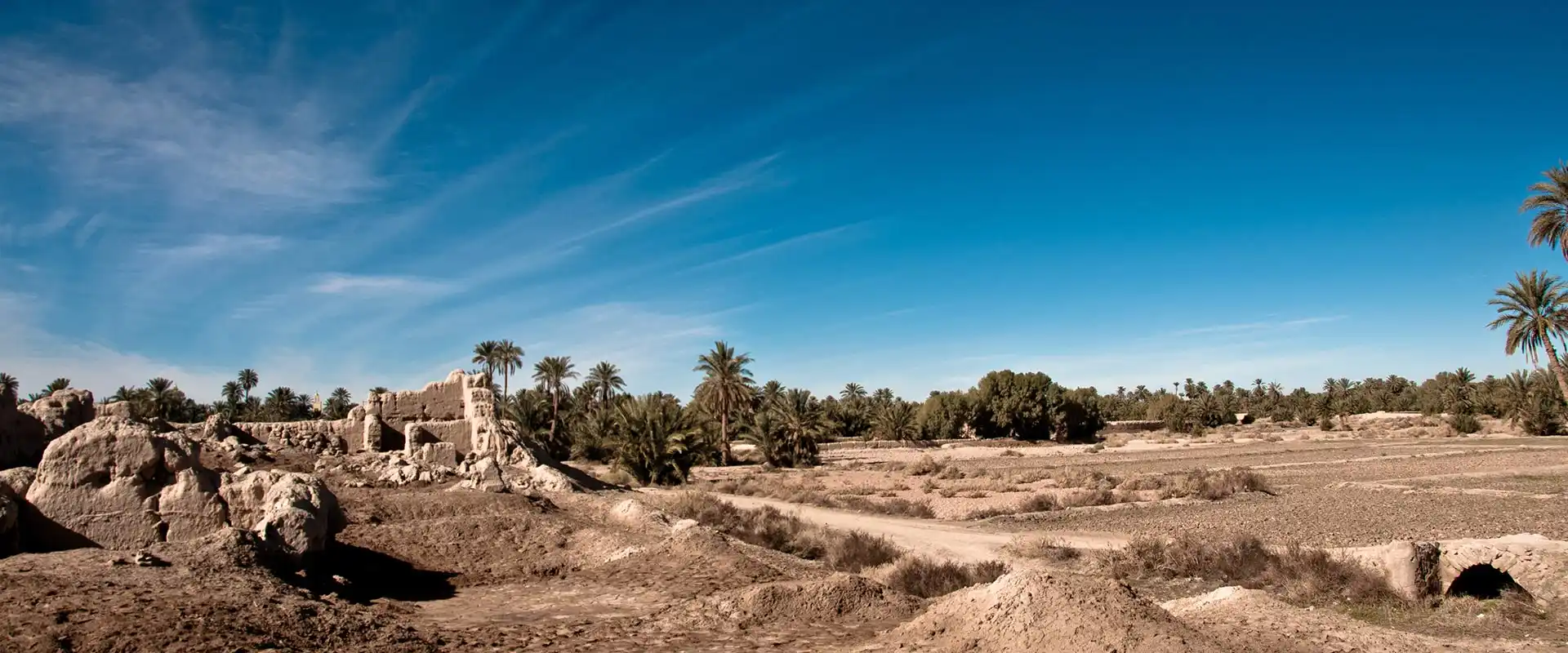
The mausoleum of Moulay Yaâcoub, or Saint Jacob, is a tiny earthen funerary structure built at the foot of a rocky hill at the entrance to the village of Tazroute, near Ouarzazate. It stands along the path leading to the village of the Telmasla kasbah and to the old villages submerged beneath the waters of Lake El Mansour Eddahbi.
According to oral tradition, it houses the remains of a saint named Yaâcoub, or Jacob, whose origins are unknown. Local memory recalls that the shrine was venerated for many years by both Muslim and Jewish communities.
The shrine also bears witness to a shared religious heritage. In another account collected by the author, Ba Idar, a former resident of Telmasla, recalls how Muslims and Jews came to pay their respects to the same saint. The former called him Moulay Yaâcoub, while the latter knew him as Bardiîme. Two names for a single place of devotion, from a time when the two communities shared village life.
According to custom, women from neighbouring villages, or simply passing through, would stop at the foot of this wall to perform a ritual of intercession particular to women. They would slip small stones into the gaps between the stones of the wall, then entrust it with their laments and wishes, most often in the form of sung prayers.
As a child, I used to accompany my mother to her native village of Tazroute. These regular family visits filled me with joy, although the distance we had to cover on foot was exhausting. We walked more than three kilometres.
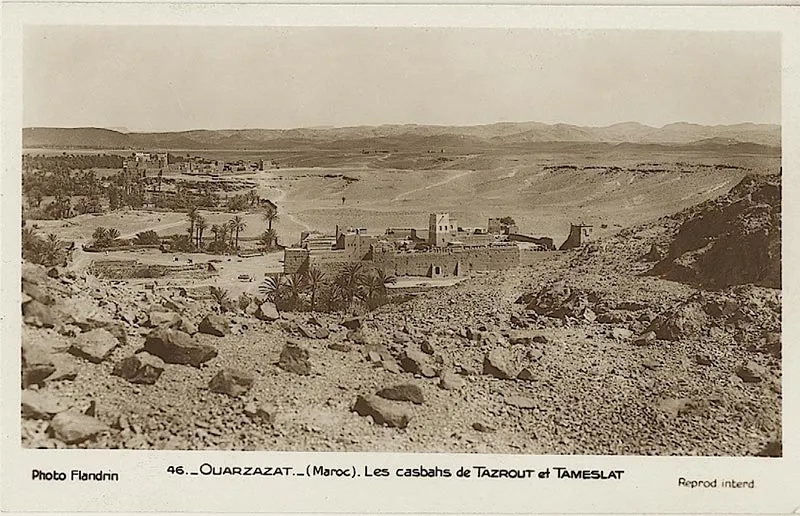
Further reading: The kasbah of Telmasla, as remembered by its elders
I remember, as though it were yesterday, the women along that dirt track, worn into the ground by countless footsteps. They were always walking, carrying a basket, a bowl balanced on their heads, a bundle of grass or a child strapped to their backs. Others were bent beneath the weight of water jars they had to carry for hours on end. Mothers brought along their thin children, dressed in endlessly patched clothes, with tufts of hair standing like crests on their shaved, sun-weathered heads.
My mother never failed to perform the ritual of praying beside the wall of Moulay Yaâcoub, like the other women pilgrims who came, from morning until night, to pour out their sorrows before the saint, as though seeking to lay down their burning, secret grief.
For all these women, this place was a refuge. In moments of despair, they would implore the saint, clinging to the profound hope that he might bring them relief.
I can still see them murmuring a litany of barely audible, indistinct words, their hands resting gently against the wall. Then tongues would loosen and hearts would open.
Had all these women come to mourn the passing of their days and their hopes, each entrusting her misfortunes to these silent walls? So many tears have fallen here, like drops of an endless, silent rain. They still echo through time, deep within the wells of our memories.
Some of these women have passed away, others have grown old. And I too have aged with the passing seasons. Yet through all those years, I have kept these childhood memories alive.
As in days gone by, I recently returned to visit these crumbling walls, hoping to revive this fragment of my roots.
I recognised the familiar face of one of those women, although now deeply lined with wrinkles, her body bent by old age. This faithful neighbour of Moulay Yaâcoub’s final resting place confided in me in turn:
‘I used to look after Moulay Yaâcoub’s resting place, keeping it clean. Every Friday, I swept away the dust with my palm-leaf broom, then sprinkled the place with water. Finally, I said my prayers.
One day, on the eve of Eid al-Fitr, the Muslim festival marking the end of the Ramadan fast, I had no new clothes to wear for the celebrations. So I went to the saint to ask for his help.
As I crossed the threshold, I saw that his tomb was covered with a brand-new sheet, no doubt a gift from some generous benefactor. I took the beautiful fabric and made myself a lovely kaftan to wear for the occasion. And I covered the tomb with another green sheet.
Saint Moulay Yaâcoub had answered my prayer.’
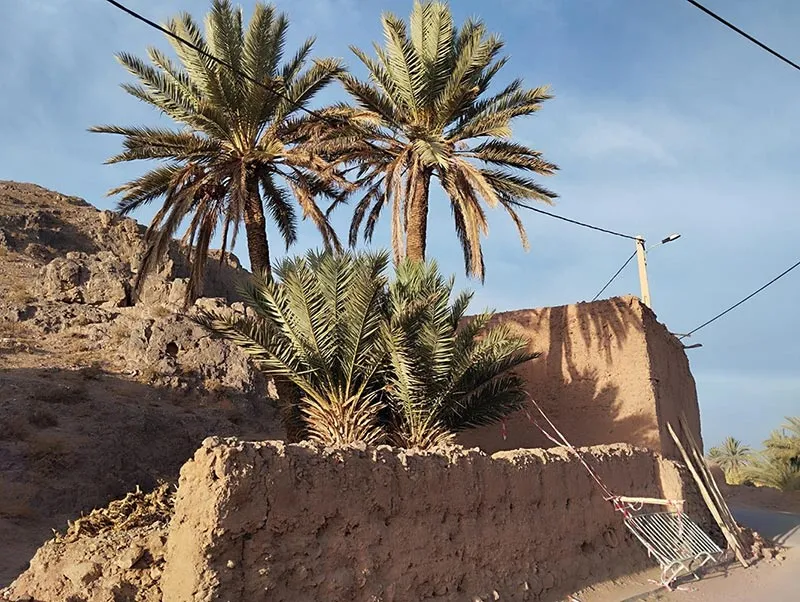
Moulay Yaâcoub, the confidant, the protector, the saviour, the healer, the miracle worker… yet also a simple earthen ruin, standing stubbornly at the foot of the rock. Our mothers had entrusted him with their most intimate secrets, those kept hidden in amulets and other talismans. Their hearts still slumber there.
Against these walls they wept, and their tears still flow, as though their overflowing were a sunset.

More to Explore

Leave a Reply