


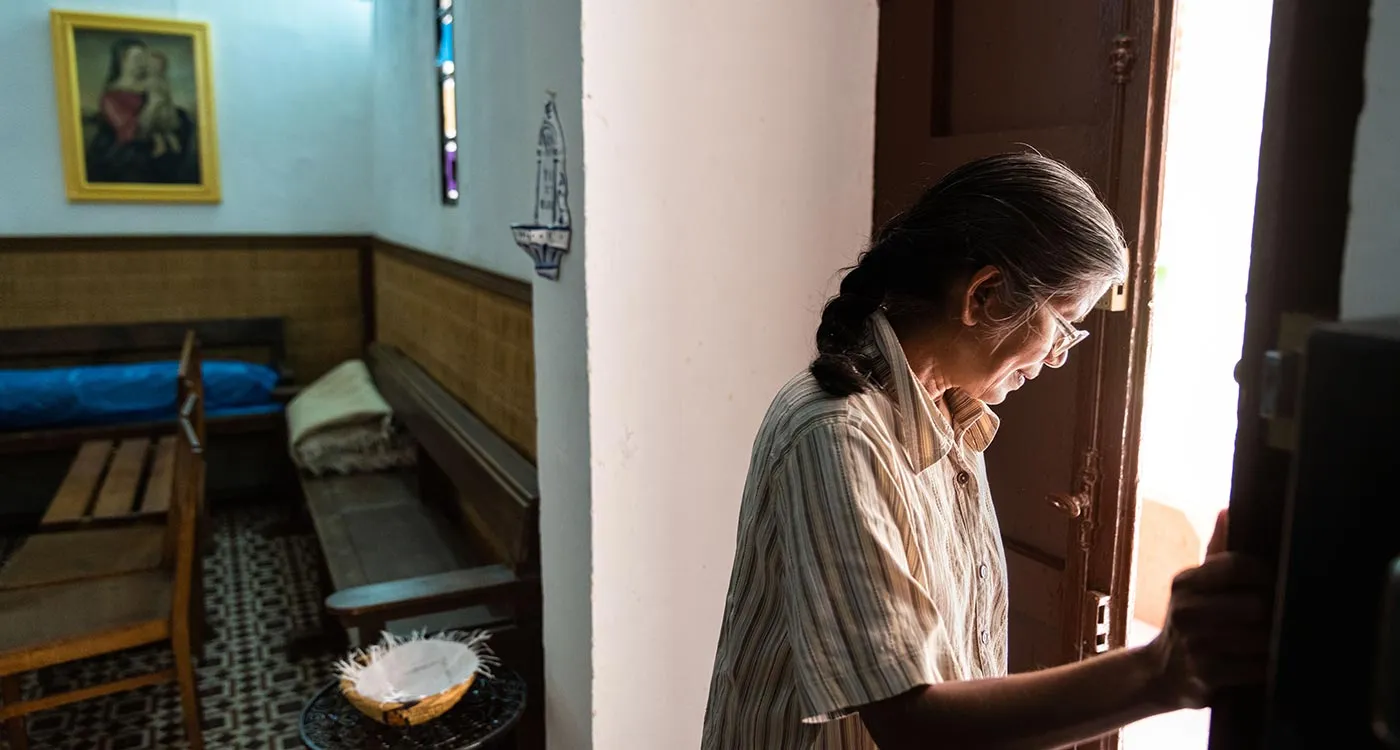
The Franciscan Missionary Sisters of Mary will no longer watch over Ouarzazate
In July 2020, the Franciscan Missionary Sisters of Mary left Ouarzazate after nearly half a century of presence. Nurses, teachers, social workers and tireless builders of solidarity, they had accompanied the town’s growth while remaining faithful to a simple Franciscan ideal: to love, to serve, and to take care of what is growing.
Overview
- A legacy of the French presence in Ouarzazate.
- The spirit of Saint Francis of Assisi hovers over Morocco.
- Women committed to the service of this fraternity.
- In Ouarzazate, close to the people.
- Sister Francesca, tenacity in the service of a growing town.
- A page turns, a world disappears.
- At the service of others, everywhere, and for ever.
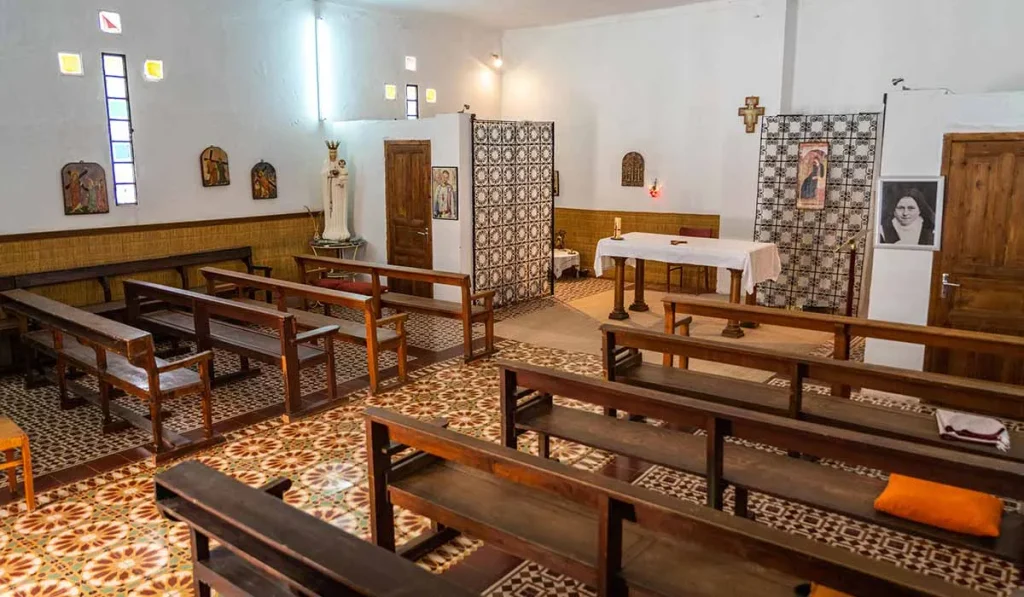
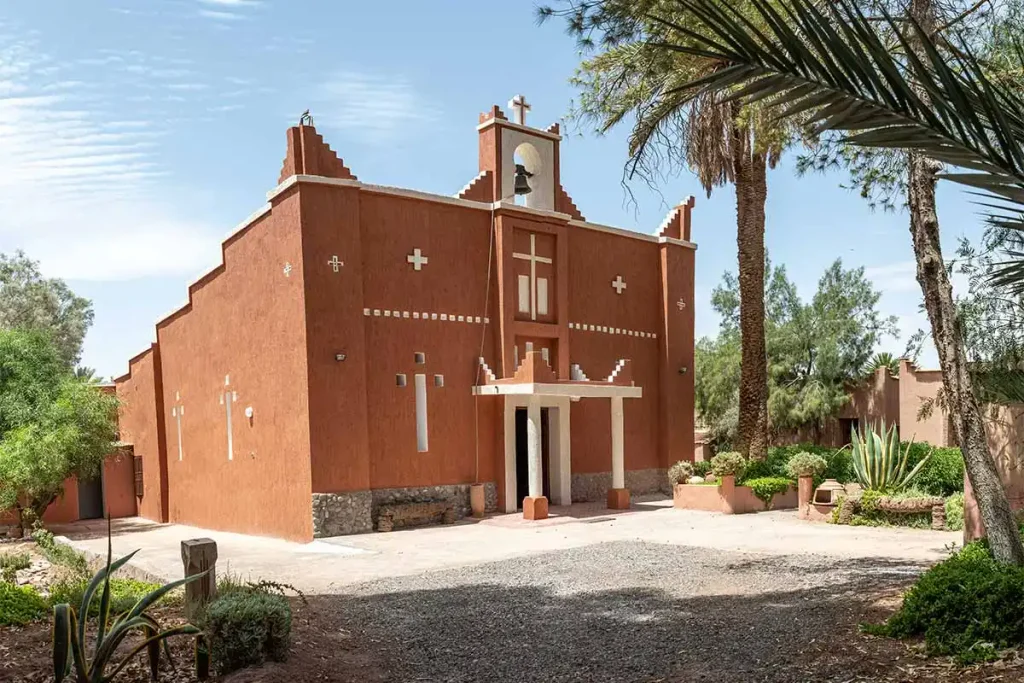
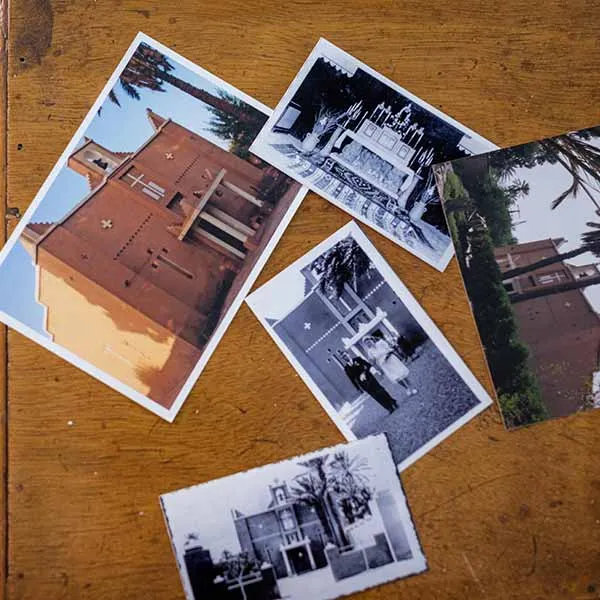
The little church will retreat a little further into its discretion. Not so long ago, its stone cross could still be seen from the town’s main avenue, signalling its presence to visitors passing through; more recently, a large building has risen in front of it, hiding it a little more from view. With the sisters gone, silence will settle once again. The church bell will no longer ring out at Easter or Christmas. The holy-water font at the entrance is empty, as is the tabernacle, and only the glow of the sanctuary lamp still shines, keeping alive the idea of a presence — that of the sacred.
A legacy of the French presence in Ouarzazate
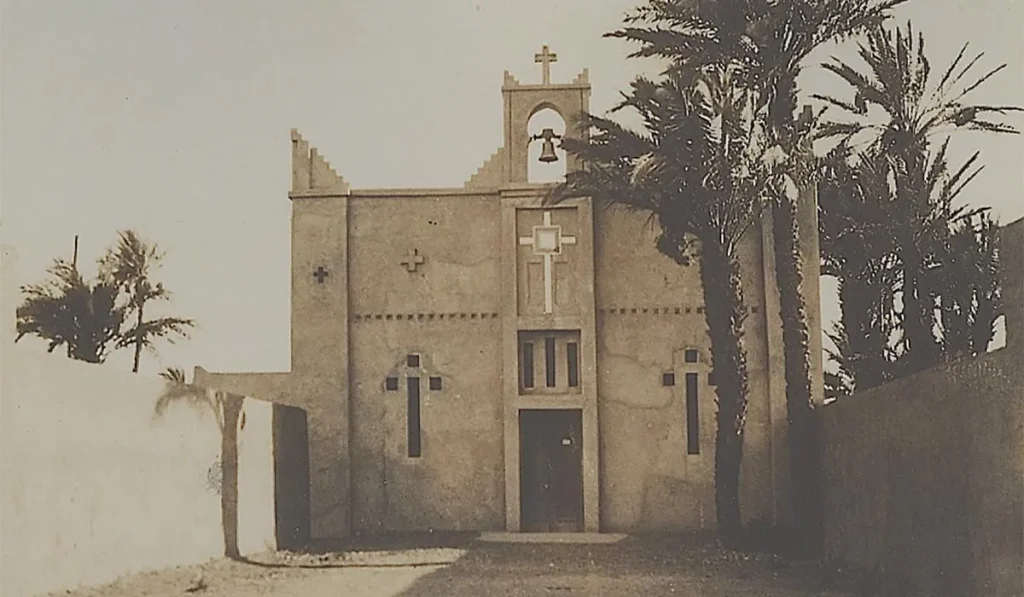
The church was built in 1931 by soldiers of the French Foreign Legion stationed there during the French Protectorate in Morocco. Three years earlier, in 1928, the first soldiers, led by Lieutenant Spillmann, had settled on top of a small hill a few hundred metres from the ksar of Taourirte, where the representative of Si Hammadi El Glaoui, Pasha of Marrakesh, then held authority. In 1931, Ouarzazate, still barely born as a town, was officially established as an administrative district bringing together all the villages across a vast area around it, from Telouet and Taliouine to Foum Zguid, encompassing the Dadès and Drâa valleys, and thereby asserting its control over the many tribes that had lived there for centuries.
The Franciscan chaplain of the Foreign Legion, Father Bonaventure Hermentier, settled there and organised religious life for the soldiers and, above all, for the European residents and their families who had come in considerable numbers to settle throughout South-East Morocco, a region then caught up in a frenetic momentum of development.
The spirit of Saint Francis of Assisi hovers over Morocco
The first Franciscan presence in Morocco dates back to the thirteenth century, with the arrival of a first group who came to preach the Gospel to the Moorish population. Barely ten years after founding his religious order, that of the Friars Minor, Francis of Assisi, still inspired by his meeting in Egypt with Sultan Abd-al-Malik, then besieged by the Crusader armies, decided to send a small group of his followers on an adventure as audacious as it was unlikely, since it ended with the friars being imprisoned on their arrival and executed in Marrakesh in 1220.
Over the years, having set proselytism aside, Franciscan missionaries continued to settle in Morocco, faithful to their vow of fraternity, bringing assistance and comfort to Christian captives as well as to Moroccans living in poverty or need.
In the nineteenth century, the Franciscan José Maria Antonio Lerchundi became known for publishing a book on the Moroccan dialect. He was behind the opening of numerous schools and health centres in Morocco, basing his commitment on a conviction that would ultimately be shared by all his fellow Franciscans:
“It is about loving this people enough to believe in them, even when they often come to despair of themselves.”
José Maria Antonio Lerchundi
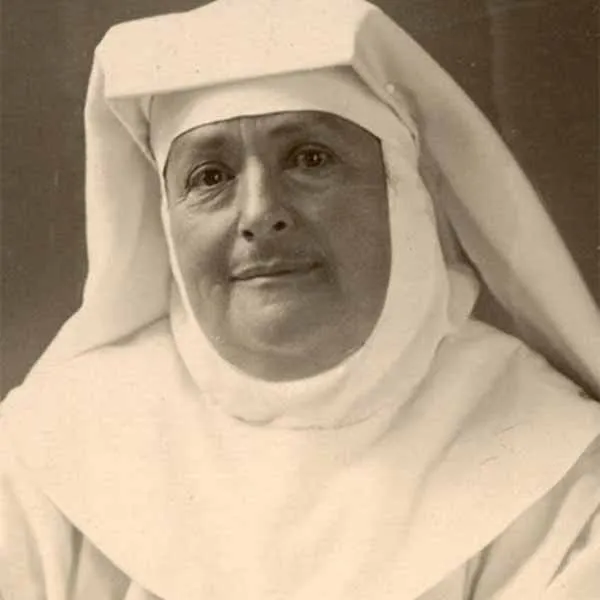
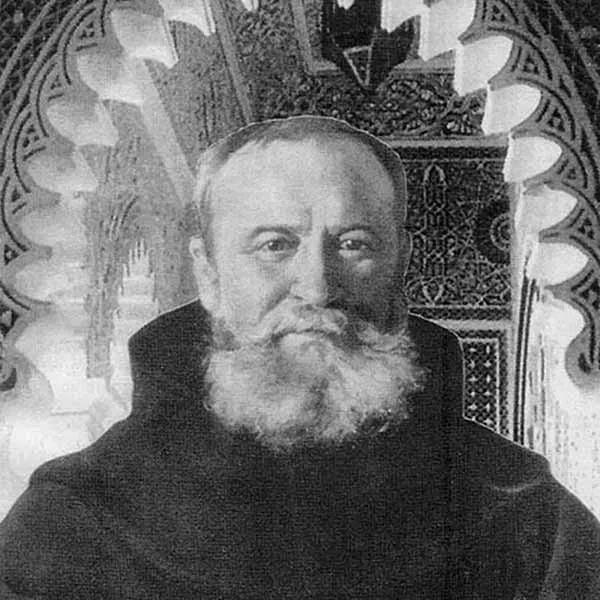
Women committed to the service of this fraternity
It was therefore natural that a female religious congregation closely linked to the Franciscan order should come to continue this mission of care in Morocco.
It was in this same spirit that, in 1912, the first groups of Franciscan Missionaries of Mary arrived in Morocco, following the signing in March of that year of the Treaty of Fez between Sultan Moulay Abd El Hafid and representatives of the French government, establishing what would come to be known as the French Protectorate in the Sherifian Empire.
The congregation had been founded in India in 1877 under the impetus of a French sister from Brittany, Hélène de Chappotin de Neuville, known as Sister Marie de la Passion. She dedicated her new congregation to the service of the poor and, by the time of her death in 1904, had opened eighty-six communities of sisters in nearly twenty-four countries. But it was under the impetus of the Second Vatican Council, initiated in 1962 by Pope John XXIII, that the many religious congregations of Catholicism spread across the planet, following its call for openness and encounter with the poorest and most vulnerable.
The congregation of the Franciscan Missionaries of Mary followed this movement and, at the height of its commitment, was present and active in seventy-six countries.
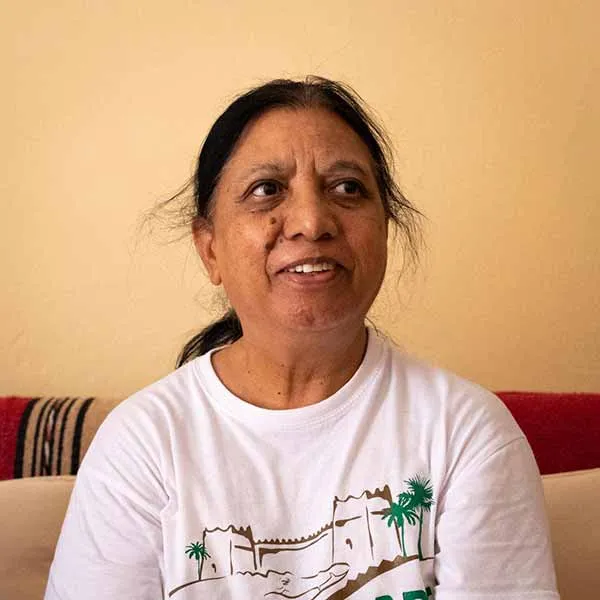
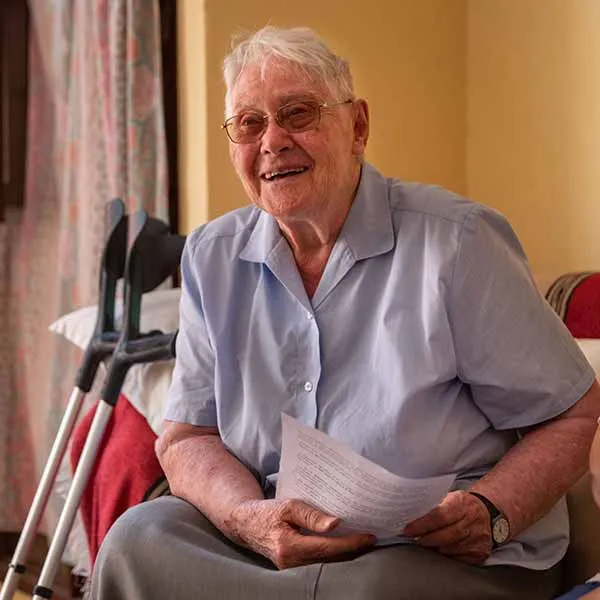
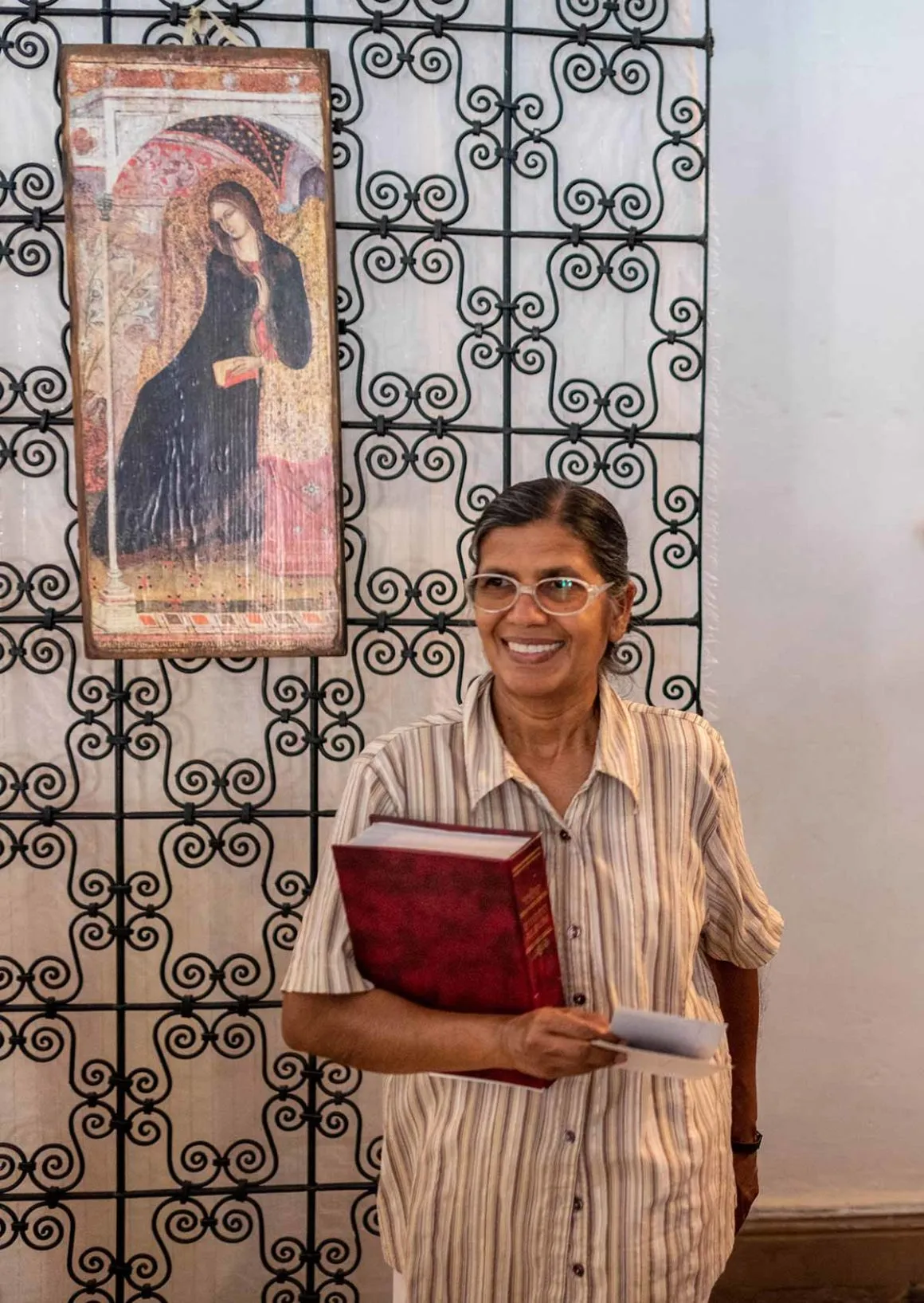
In Ouarzazate, close to the people
Very quickly, twenty-two communities were established in Morocco, above all to help develop a healthcare system capable of meeting the needs of the population, but soon also in the field of education, with the opening of numerous schools and the teaching of Moroccan children and young people.
In 1973, the Ministry of Public Health of now-independent Morocco asked the organisation to send nursing sisters to Ouarzazate. Three of them, then based in Fez — Sister Gabrielle, a Frenchwoman, and two Spanish sisters — made the journey to begin their mission, determined to bring assistance to their Moroccan brothers.
They trained a first group of nurses at Sidi Hssain Hospital. Throughout the sisters’ years in Ouarzazate, the community became involved wherever needs were identified. They taught at the new nursing school, and in public education, as Sister Colette did when she taught mathematics at the Lycée du Prince Héritier, now Lycée Mohammed VI. They ran kindergartens, provided vocational training for women in sewing, embroidery and carpet weaving, and worked as social workers alongside orphaned children and the poorest and most vulnerable, including people with disabilities.
A strong Franciscan presence was established in the Agouim region from 1971, where a community of Franciscan friars had already settled. The Franciscan Missionaries of Mary established their own community there with Sister Lucie, a nurse who spent her time travelling the tracks to attend births and provide medical care, and another energetic sister, Sister Huguette, a university-trained biologist who developed saffron cultivation locally, opened a cheese dairy that is still operating today, and began training farmers.
Other communities were established in Errachidia, Goulmima, Midelt and Ighrem Nougdal.
Sister Francesca, tenacity in the service of a growing town
Sister Francesca Maria Leonardi, a trained social worker, arrived in Ouarzazate in 1979 and devoted all her tenacity to following the injunction of her distant predecessor, the Franciscan José Maria Antonio Lerchundi, who urged the members of his congregation in Morocco to:
“Be the one who loves and takes care of what is growing.”
José Maria Antonio Lerchundi
More than anyone else, she left her mark on Ouarzazate during the twenty-seven years she spent there, through her personality and her ability to initiate and bring to completion major social development projects, so that assistance to the most vulnerable could be organised on a lasting basis.
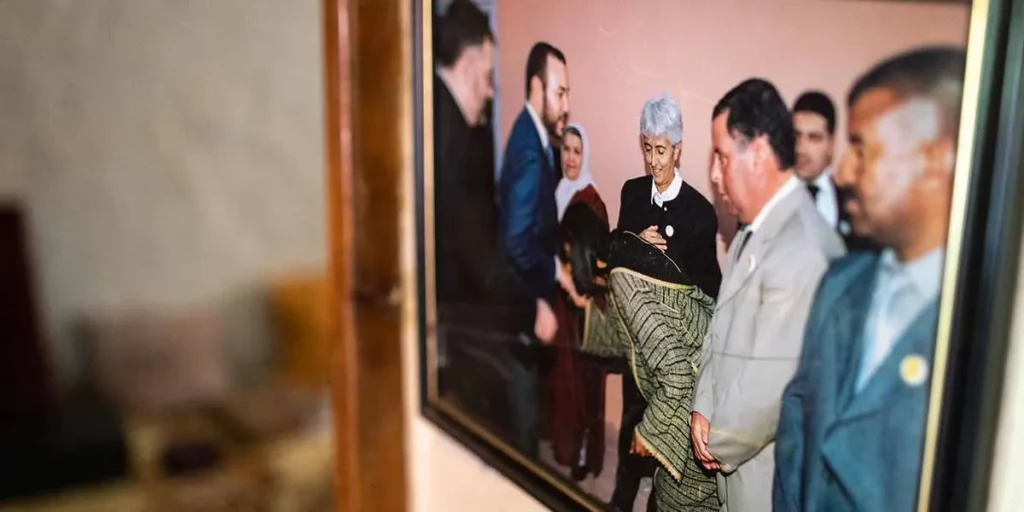
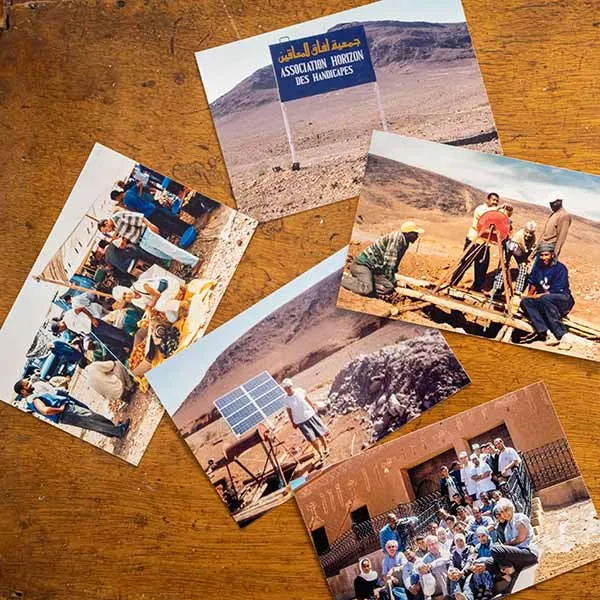
She was thus behind the creation of the Horizon association for people with disabilities, the first organisation in the whole of southern Morocco to support people with disabilities and their families. The association still exists today and has been granted official public-interest status. Sister Francesca then founded the Achourouk association for deaf and mute people, the Oxygène association to support the professional integration of young women, and finally the Amnougar association, providing vocational training for young people with disabilities in jewellery-making, carpentry, sewing and agriculture.
Idir Ouguindi knew Sister Francesca well. He worked alongside her in setting up the Horizon association for people with disabilities, together with Pierre Katrakazos, its current president. Today he recalls this remarkable figure who left her mark on the history of Ouarzazate:
“The generosity with which Sister Francesca shares her knowledge lies at the heart of her commitment to others. Beyond her constant availability, she was a true mother to everyone who came through the social services department at Bougafer Hospital in Ouarzazate. Sister Francesca is filled with a sincere desire for love and peace.”
Idir Ouguindi
A page turns, a world disappears
The evolution of human societies inevitably brought about the disappearance of this way of living one’s commitment in the service of others. Year after year, religious vocations declined, and the shortage of sisters available forced the congregation to close its communities throughout the world.
In Morocco, the Agouim community left in 2001, those in Errachidia and Ighrem Nougdal in 2008. The Taroudant community closed in 2012. After the departure of the sisters from Ouarzazate, four other communities will remain active in Morocco, in Meknes, Casablanca, Rabat and Midelt.
A French couple is expected shortly to take up residence at Sainte Thérèse Church in Ouarzazate, preserving the place’s ability to welcome all those who wish to spend a moment in contemplation in the chapel, and those who wish to rediscover the traces of a past that is slowly disappearing.
The memories are still vivid in the hearts of some people in Ouarzazate, among the nurses who were trained by the sisters, among the people with disabilities who received their support, the orphaned children who, thanks to their devotion, were able to grow up in better circumstances, all those young women, all those young people whose paths crossed theirs and who were able to benefit from their care.
At the service of others, everywhere, and for ever
The three sisters are about to take to the road, each with only a few belongings. Over the course of their successive postings, they have inscribed within themselves the habit of leaving everything behind. They have grown into the lightness of having nothing for themselves, only what is needed to live. Everywhere they feel at home, welcomed by local people who have learned to love them, as here in Ouarzazate, where they have sown devotion to others.
Sister Marie Josèphe, born in Morocco, worked in Russia before looking after the Taroudant community for eighteen years. She will return to live in Casablanca.
Sister Rozy, born in India, was sent to Libya, then India, Tunisia and finally Nador, where she worked with migrants until 2019.
Sister Angela, also born in India, came to Ouarzazate in 2006 to replace Sister Francesca. In a few days, she is preparing to leave for Algeria to continue her mission.
The Franciscan Missionaries of Mary have left. A page turns for ever. All these women, their faith firmly rooted in their hearts, will thus have chosen to be those who love, and in doing so to take care of Ouarzazate as it grows.
Following the publication of this article, sudestmaroc.com received a comment from Sister Francesca Leonardi. You can read it further down in the comments section.
Following a comment, Sister Marie Josèphe wished to clarify one point concerning the church in Ouarzazate.
“The sisters are no longer in Ouarzazate, but the church will continue to answer every ring of the bell and every telephone call. A retired couple, formerly involved in organising desert caravan journeys, have been appointed by the Bishop of Rabat and will live there from September onwards.
In addition, a priest from Paris, now resident in Ouarzazate, will celebrate Sunday Mass and services on the major feast days.”
Crédit Photographie : Abdellah Azizi
www.azifoto.com
More to Explore

For more than twenty years, Éric Anglade has lived in a village of South-Eastern Morocco, where he explores and documents the region’s history, heritage, and living traditions. He founded sudestmaroc.com as a space for sharing fieldwork and cultural insight, bridging local knowledge with global perspectives. He also works alongside women carpet-weavers to help sustain their craft and welcomes travellers at Le Jardin de Yuda, his guesthouse envisioned as a meeting place for exchange and transmission.

Leave a Reply