


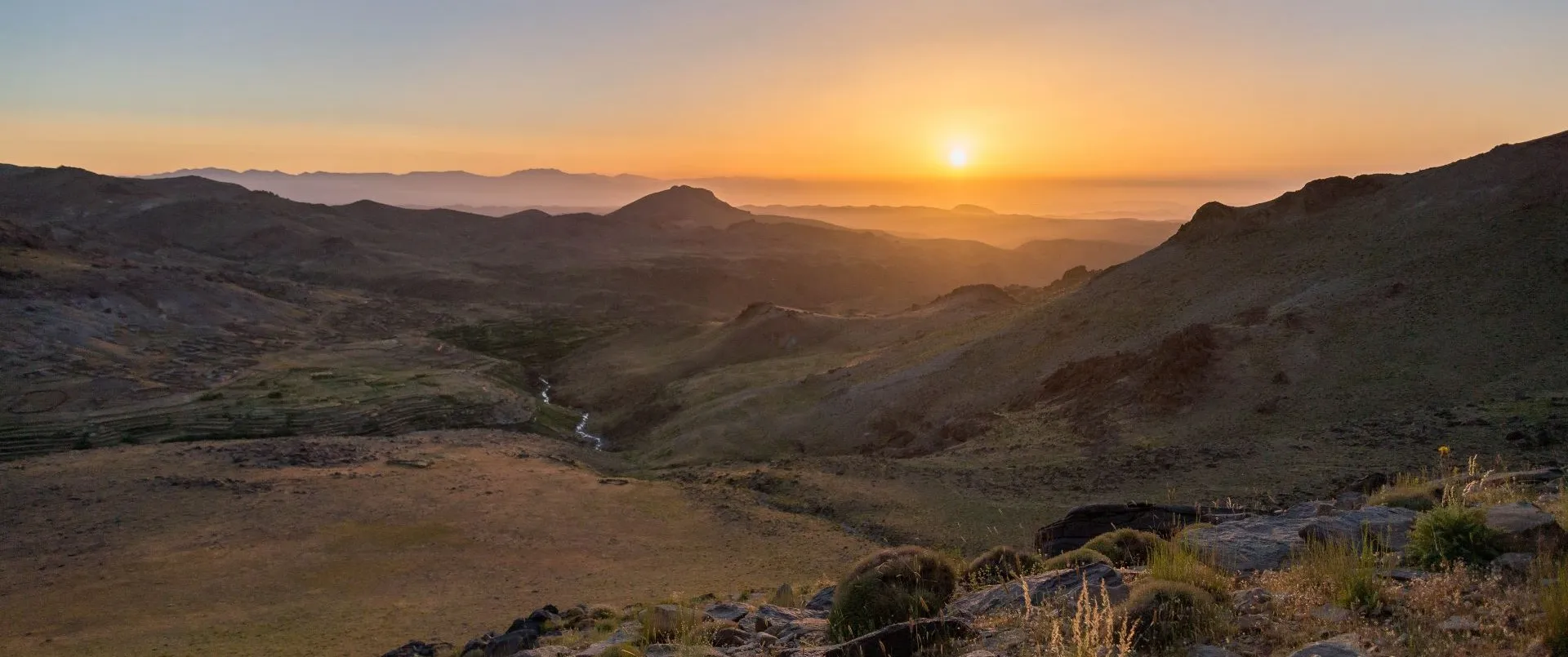
In the small village of Tisselday, at the edge of the Atlas Mountains and the desert, Ahmed Agouni has created far more than a guesthouse. From Irocha, he has woven, over the past twenty years, a singular hospitality where travellers enter into dialogue with nature, cultures, traditions—and silence.
There are lands, scattered across our earth—like here in Morocco—from which energy emanates, compelling one to pause awhile, to let oneself be traversed by these elusive yet potent emanations, with an inexhaustible capacity to restore and invigorate weary bodies and souls.
There are people who radiate an energy that leaves no one untouched. They possess a passion for welcoming, a deftness in offering well-being, and an insatiable desire to share the riches of life gathered along their journey.
There are places where an invisible hearth glows, inviting us to gather—a little removed from the world and its noise, sanctuaries where, for the span of a pause, we are offered a setting to rest and rediscover ourselves.
And sometimes, land, place, and person converge—and in their union, the magic of renewal emerges.
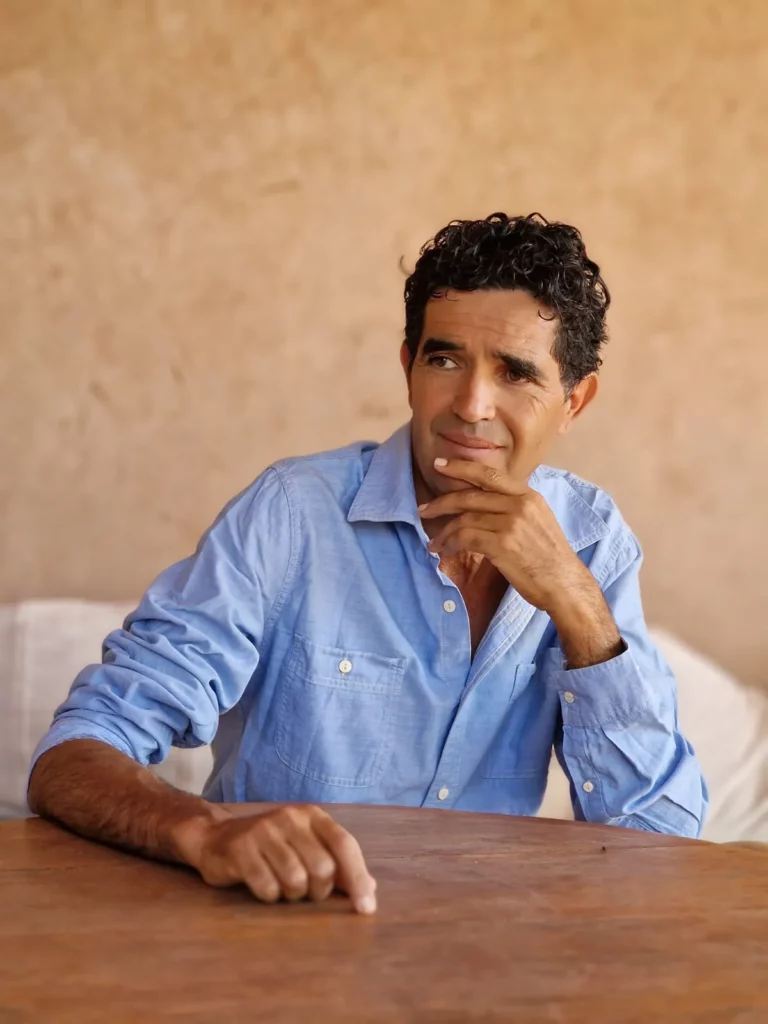
Here, in the village of Tisselday, nestled in the Imini Valley on the southern slopes of the Atlas, Ahmed Agouni and his guesthouse Irocha invite us to such an experience.
Tisselday, the root place
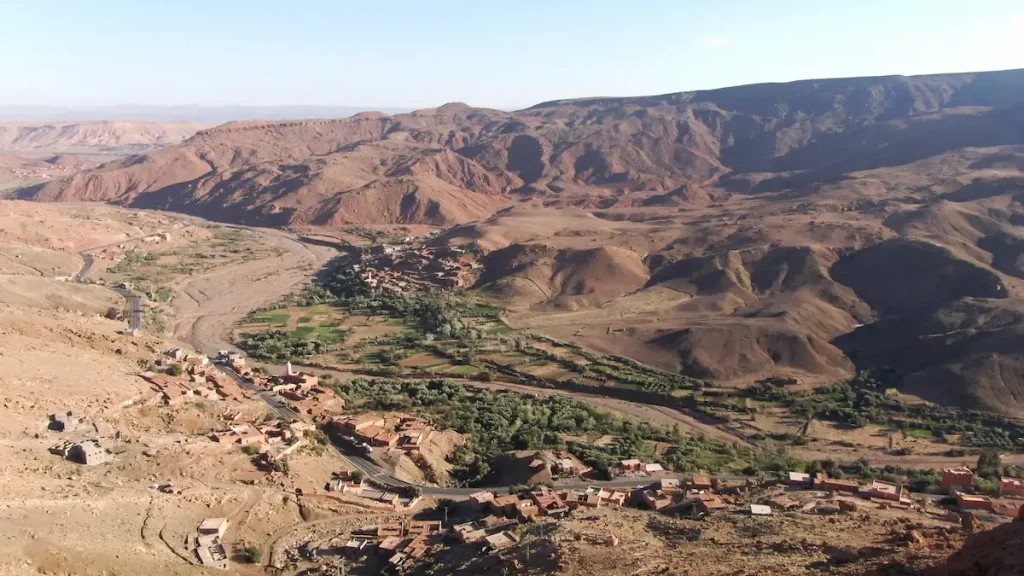
Tisselday is an Amazigh word for the tool once used by local women to stretch their weaving between a loom’s vertical posts. Born here, Ahmed grew up roaming the surrounding mountains, so enchanted by the multicoloured stones that he later went on to study geology at university. In 1994, he discovered a passion for traditional crafts—creating musical instruments and goatskin furniture.
While living in Essaouira, where he opened a small bazaar, he met his partner Catherine, and together they decided to embark on the emerging tourism sector in this remote corner of South-Eastern Morocco.
It was only natural that in 2000 he returned to his native land to lay the first stones of a hospitality project. He built a house of stone and earth, perched atop a rock overlooking the valley. Today, the place has reached its maturity: the warm patina of time is felt from the moment you enter.
Nature has unfolded around it, and the house now offers around ten guest rooms, a pool, dining areas, and a terrace opening onto the sky and the imposing Atlas Mountains—giving every visitor the thrilling sense of being like an eagle poised to take flight towards vast horizons.
Read also: The shepherd, the forgotten pearl of Moroccan cultural heritage
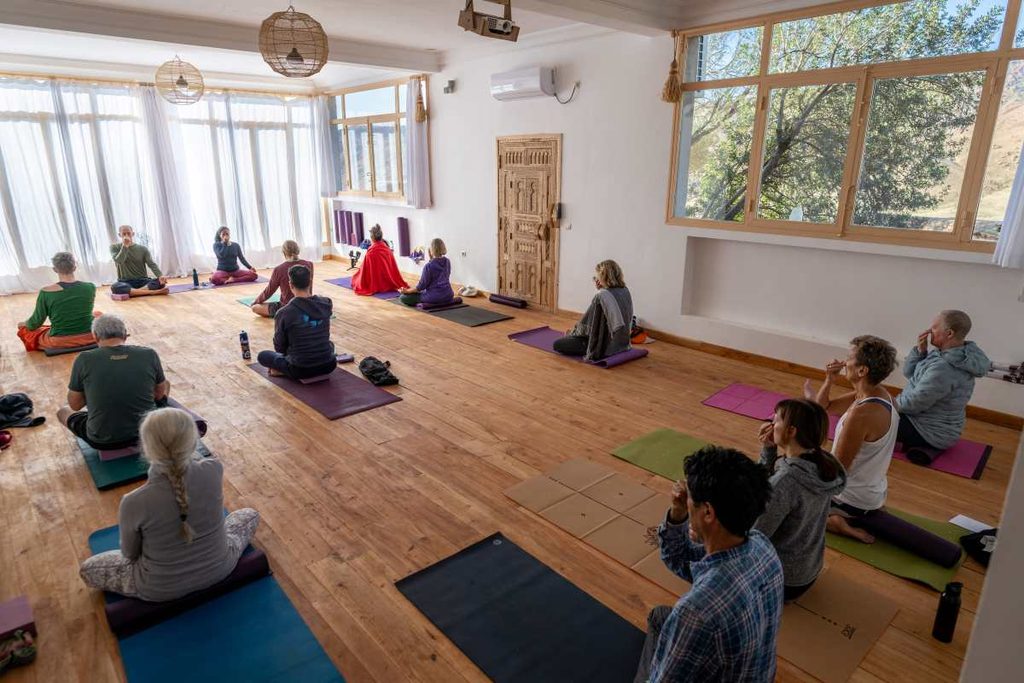
A few months ago, Irocha added a space dedicated to body care, with the opening of a hammam and massage room. More recently, a large hall has been fitted out in warm, soothing woodwork and stained glass, to host cultural discovery, movement, and meditation activities.
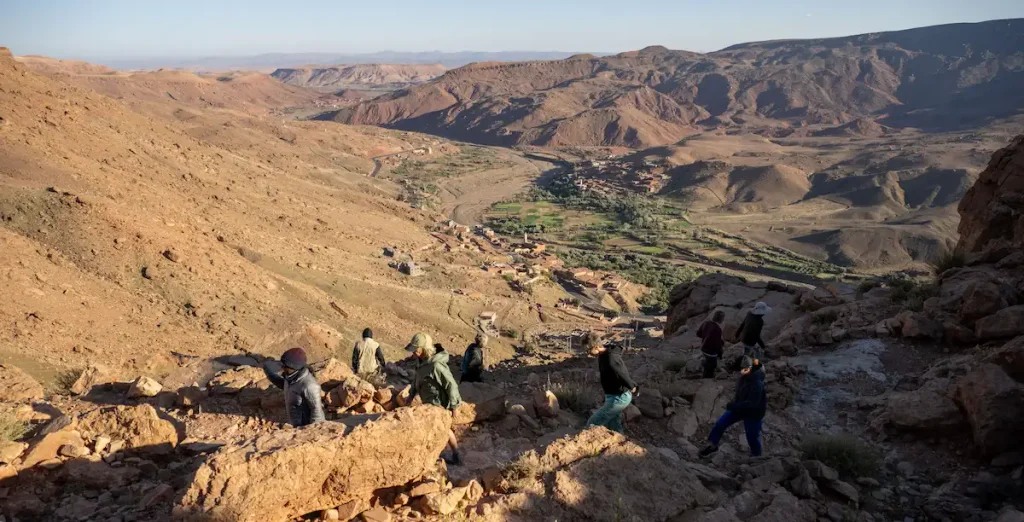
Over the years, Ahmed has seen how much travellers enjoy staying in his guesthouse, accompanying him on walks along the mountain slopes or across the dunes of the vast Sahara. They have come to appreciate hearing him recount the region’s rich history, as well as discovering, through him, its many natural treasures and the ancestral know-how of local artisans.
The desire to welcome differently
Yet, despite this satisfaction, Ahmed feels within himself the need to evolve his approach to hospitality, drawing on a double experience patiently built up over the years.
He now understands more deeply than before what the traveller seeks in coming here, and conversely, discerns more clearly what his village, his guesthouse Irocha, and the entire region of South-Eastern Morocco, with all the facets of its cultures and the traditions of its communities, can offer these travellers.
Of course, these travellers are here on holiday; having left behind, for a time, the hectic world and the exhausting lives they lead, their first need is for rest, leisure, and a sense of well-being restored. All this, Ahmed knows how to offer them from the moment they arrive at Irocha.
But he has come to understand that some travellers are searching for something more; something new that will send them home changed—enriched by discovery, learning, or understanding, or else soothed, relieved of a burden, a pressure, or a sorrow.
And it is to these travellers that Ahmed now wishes to devote himself.
The universal alphabet of life’s essential virtues
He wishes to offer them more than a simple stay, but truly a sensitive encounter at the very heart of his region’s natural and cultural identity.
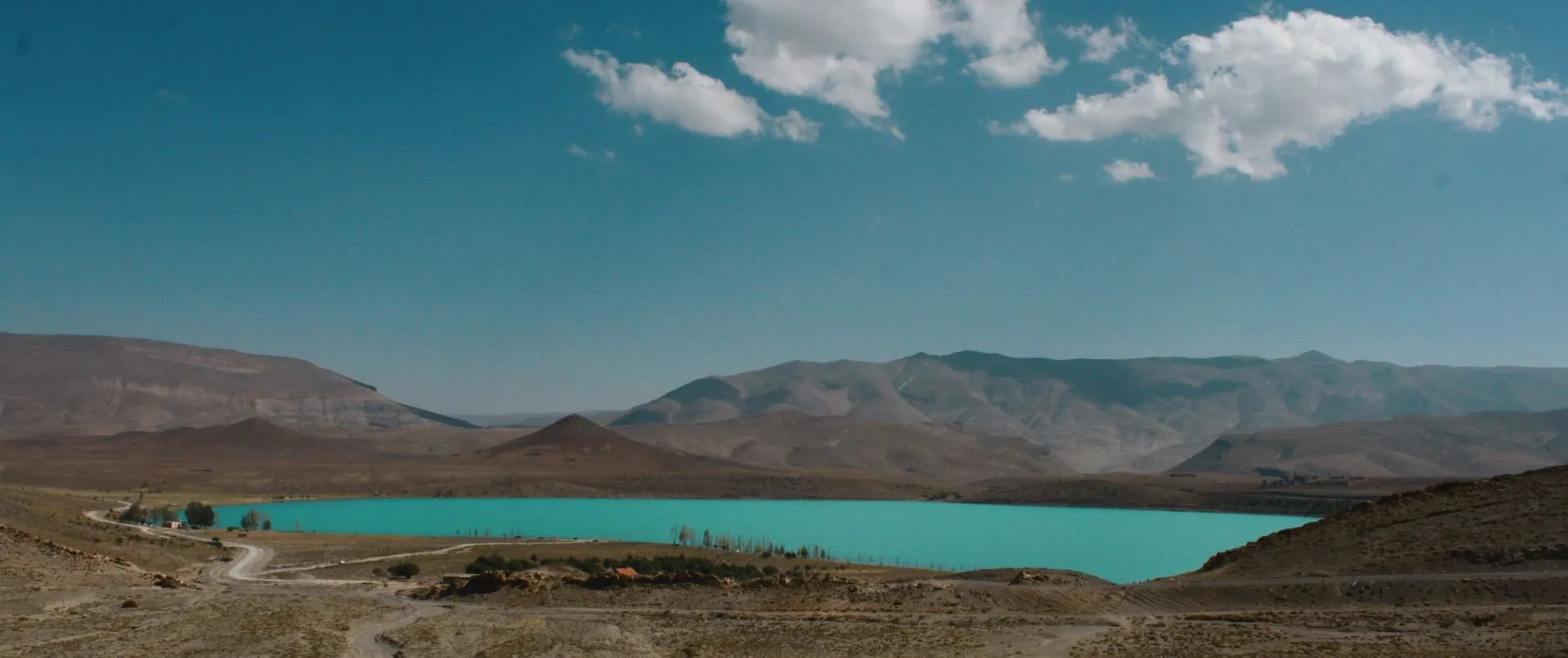
Here in the South-East, as nowhere else in Morocco, the landscapes unfold in all their beauty and diversity. From the peaks and slopes of the Atlas Mountains to the enchanting sands of the Sahara, lush valleys—the Drâa, the Dadès, and the Ziz—offer a succession of date-palm oases and gardens of olives, almonds, and figs.
Across the serene expanse of stone and endless plateaus, everything here is, for the traveller, a source of peace and wonder.
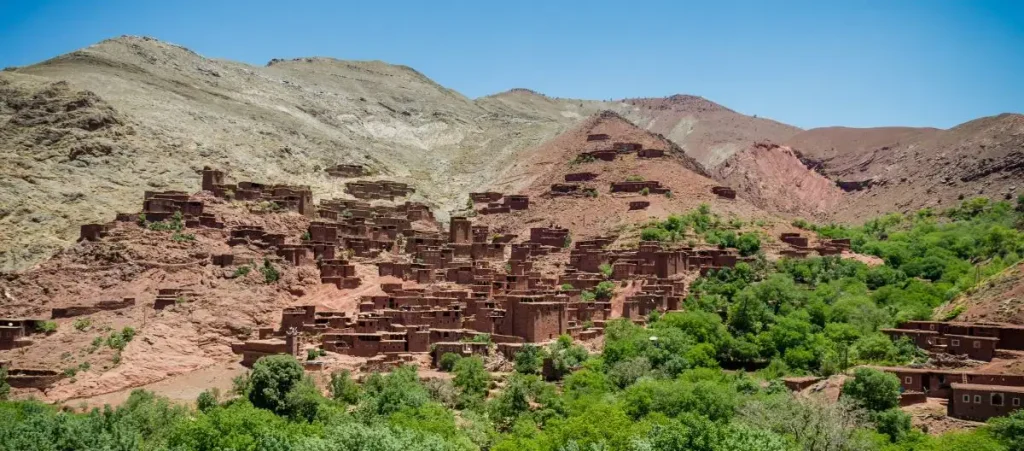
Urban life barely makes itself felt here, as if humbled by the majesty of Nature. That is why people have settled so discreetly, gathering in small villages with their characteristic houses of earth and stone.
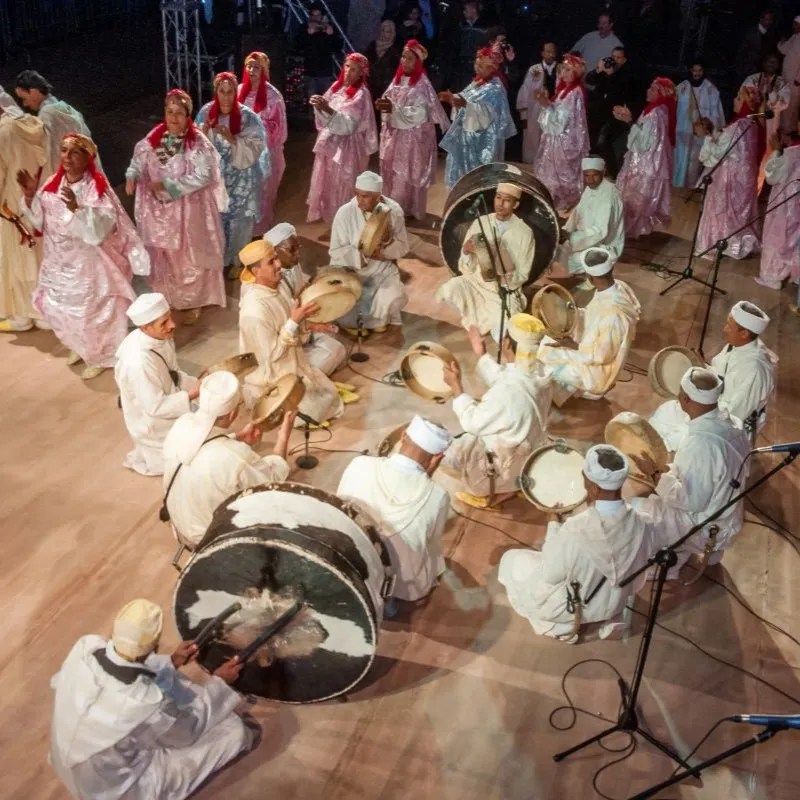
Here is rural Morocco—the historic cradle of the royal dynasty, one of the age-old expressions of its Amazigh identity, and the fertile ground of many of its traditional crafts. It is a world where the oldest traditions are still carried on through simple, everyday gestures, or in communal gatherings where time itself seems to stand still—a world where families truly delight in coming together at the weekly souks.
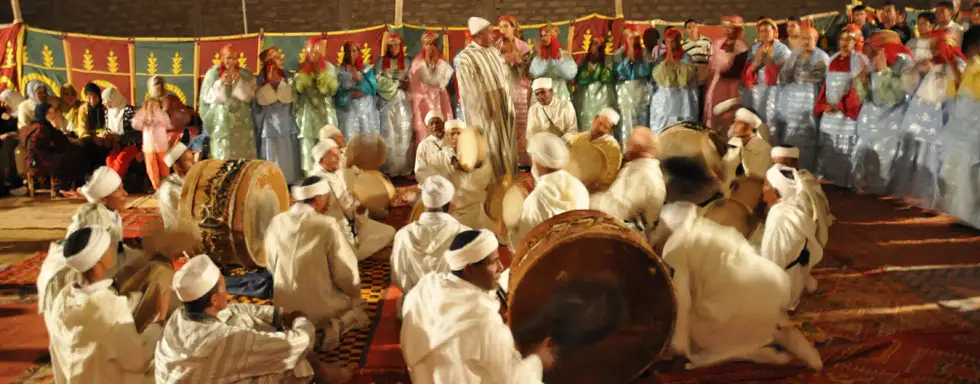
Life here, however, is harsh—just like the climate. In the face of adversity, the people of South-Eastern Morocco have developed a keen sense of resilience, born of sobriety and simplicity, with smiles on their lips and hands extended in welcome, their eyes turned to the sky from which, inevitably, mercy and providence will come.
Time is never a rival; patience comes naturally, humility prevails before the unfathomable mystery of life, and whatever little one has is always shared with the guest who is welcomed in.
All this, Ahmed knows as intimately as he knows his own heart, and he has understood how, here in South-Eastern Morocco, a singular alchemy between humanity, Nature, and time makes the universal alphabet of life’s essential virtues resound.
From Irocha, Ahmed now offers his guests far more than hospitality alone; he invites them to set out to encounter these life-giving virtues, to savour their benefits.
An invitation to take time to reconnect with what is essential, with others, and thus with oneself.
Crédit Photographie : Abdellah Azizi
www.azifoto.com

More to Explore
Leave a Reply