


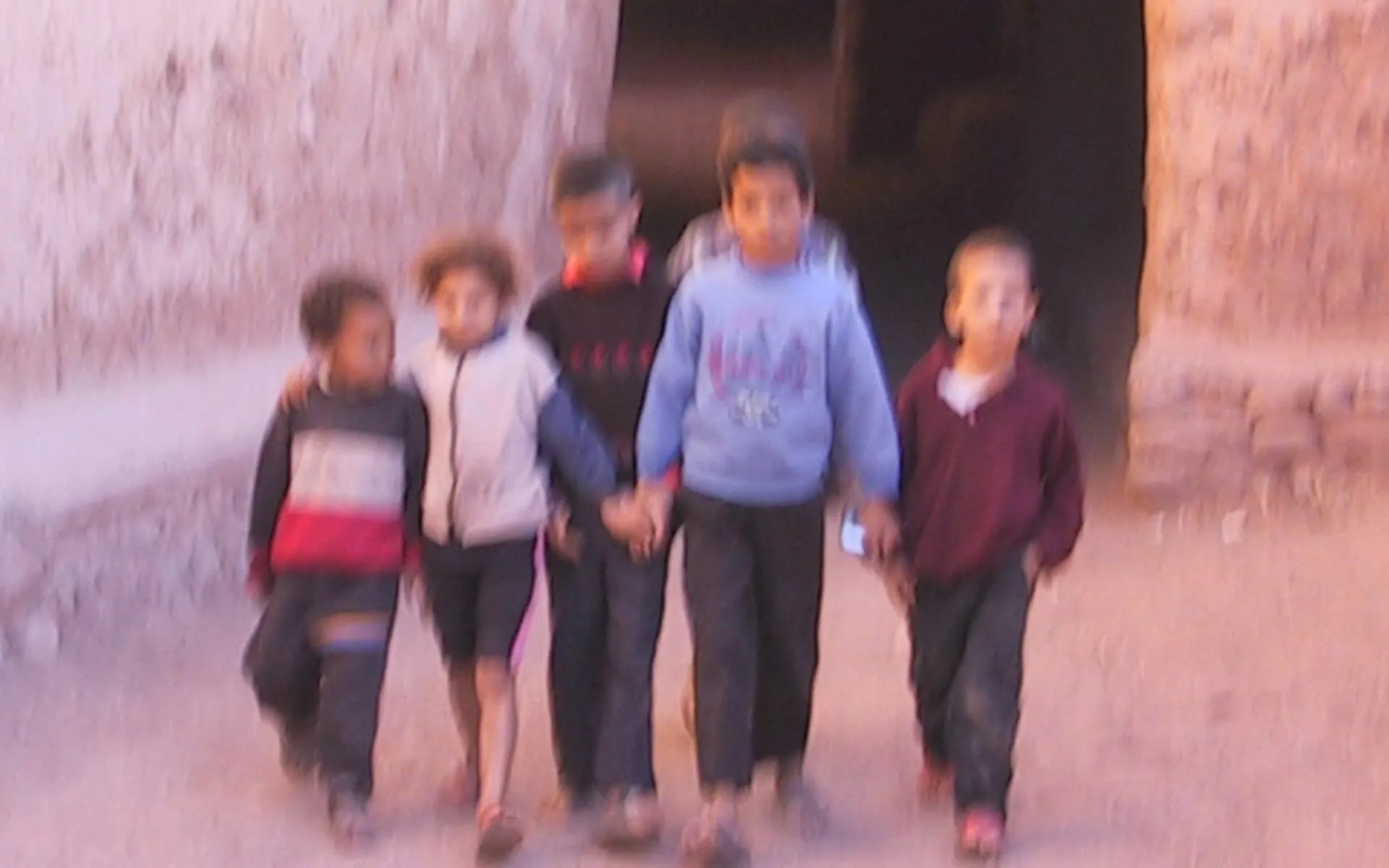
The forgotten children of Taourirt’s narrow streets
In Taourirt, children grew up in the narrow lanes of the kasbah like “little wandering plants”, caught between hardship, freedom, resourcefulness and rejection. In 2000, Abdeljalil Didi spent time with many of them around a cultural centre that had, for a while, opened a breach in their daily lives. Fourteen years later, he met some of them again. First published in 2014, this Tribune is a lament for a forgotten childhood, but also the memory of a hope that had begun to bloom.
Editorial note
Espace Diwan was a cultural centre opened in 1999 in CERKAS buildings within the Kasbah of Taourirt. For almost two years, it welcomed children and young people from Ouarzazate for cultural, artistic and educational activities. Abdeljalil Didi, then a young student, first attended as a member of the public before becoming one of its facilitators. The photographs accompanying this article were taken at the time by Hicham Serrar. This Tribune is also one of the memories left by that shared experience.
Loving and unloved children
The children of the Kasbah of Taourirt in Ouarzazate grow and spring up like “little wandering plants”. I had met and then spent time with many of them: Tarik, Abdoul, Mohssine, Soufiane, Aziz, the twins Hussein and Lahcen… It was in 2000. They were different, yet they resembled one another, for they were all “loving and unloved children”. At first sight, they are shunned, despised and stigmatised by an arrogant and hypocritical local society stubbornly sinking into a veneer of embourgeoisement. And so they are unjustly condemned.
And for what reason? Because they belong to this kasbah, which the past crowned with splendour and the present disparages in ignorance of an entire collective history.
Their only crime is to be the bitter fruit of socio-economic hardship.
This is a rebellious childhood that refuses to rot in the shadows of Taourirt’s narrow streets. It stubbornly survives, noisy though marginalised. These little ones were nothing like cherished children growing up each day beneath the attentive gaze of their parents. Swarming with life, the day welcomes them very early, only later to place them in the arms of a soothing night, still as impetuous as ever.
The kasbah fearlessly entrusts them to every corner of the town of Ouarzazate; from one street to another, they allow themselves to get lost in the town centre, capricious, curious, audacious… They fly on the wings of daily adventure and wrest from life a well-earned smile, defying the demeaning looks of the petty bourgeois.
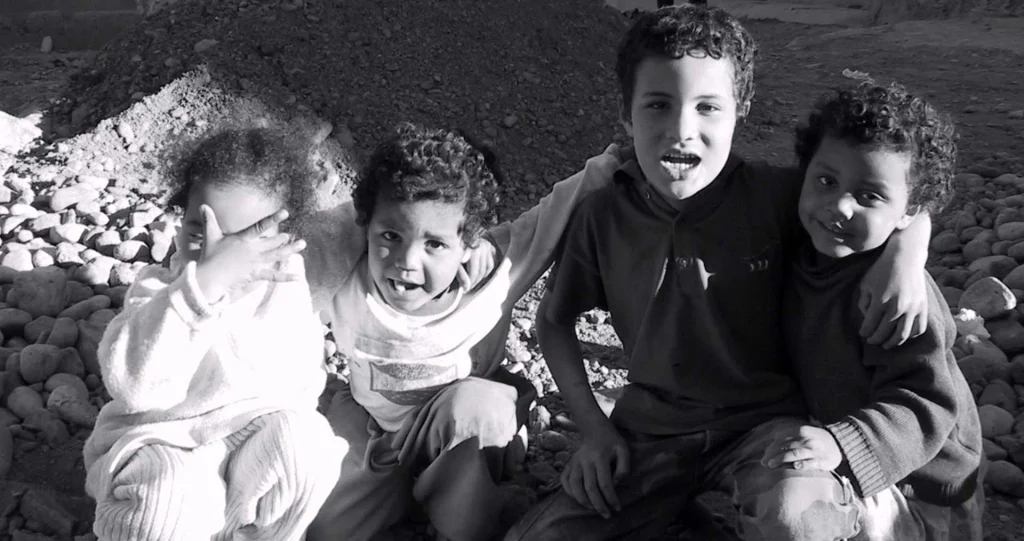
Looks that stigmatise both these children and the world in which they live; for Taourirt is seen by some Ouarzazis as nothing more than a breeding ground for prostitution and delinquency. These Ouarzazis therefore harbour and perpetuate stereotypes of inferiority, even rejection, towards this population and especially towards its children.
The Moroccan school system hated them very early on, while they themselves repudiated it like fruit falling before it had ripened. They camp at the entrance to the kasbah, watching for a passing tourist, offering a guided visit in twisted French, English or Spanish, but seasoned with the spontaneity peculiar to these “children of the narrow streets”.
Bringing to life the birth of fulfilment within them
The opening of a space for social inclusion within the Kasbah of Taourirt at that time, in 1999, had opened a breach of hope in both the minds and hearts of these deprived children; and the dream gave birth to talent and cradled it along the road towards greatness. They were introduced to painting, breakdancing, theatre, and even computers, connecting to the Internet, which for them was then an inaccessible dream.
They also benefited from a few summer camps, outdoor education trips, exchange visits… A non-formal education programme targeted a group of young boys and girls, happy to find themselves, almost miraculously, back on the path towards possible reintegration into school.
It was so pleasant, so wonderful for these forgotten children, to experience the birth of fulfilment within themselves, like the bud of a rose emerging in the early morning.
And childhood in Taourirt was gradually beginning to flower through culture, art, entertainment and, above all, the confidence being sown within it like a providential seed.
Then, suddenly, everything changed. The centre closed its doors and the old monotony returned.
The first glimmers of hope disappeared and the sky over Taourirt turned grey again. Its children and young people plunged reluctantly back into the dull lives they had always known. Even today, those gloomy times seem far from disappearing, as though fate had tragically sealed everything in advance.
Fourteen years later, childhood has eroded behind the walls
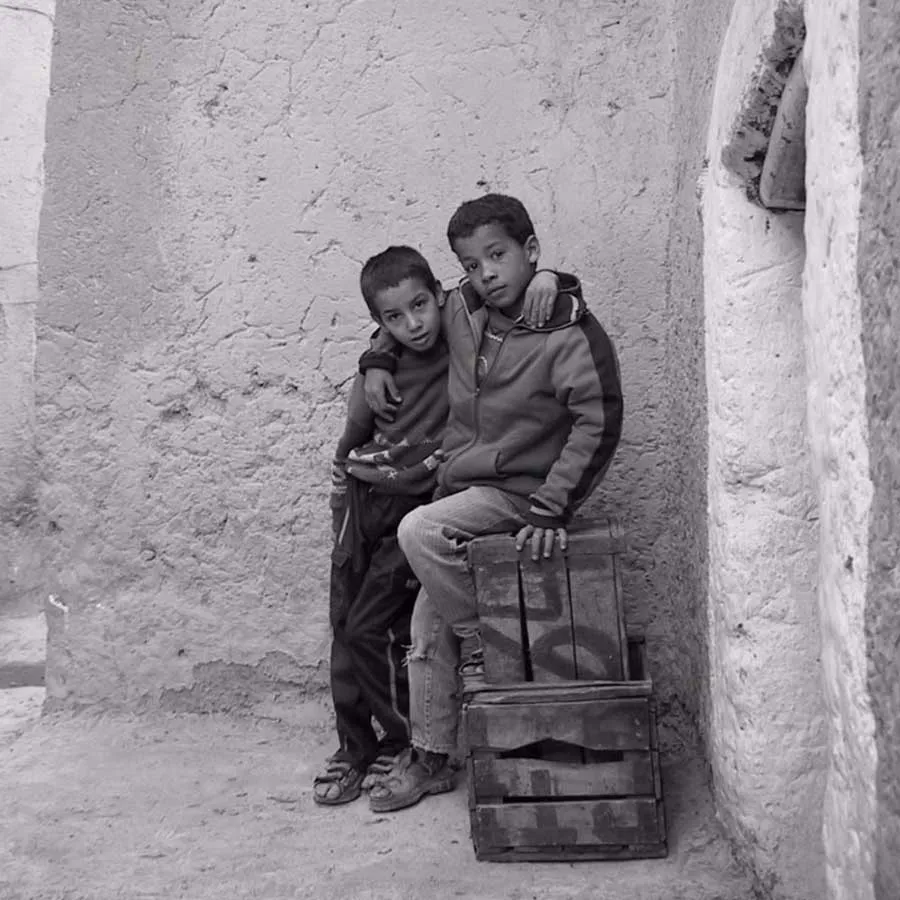
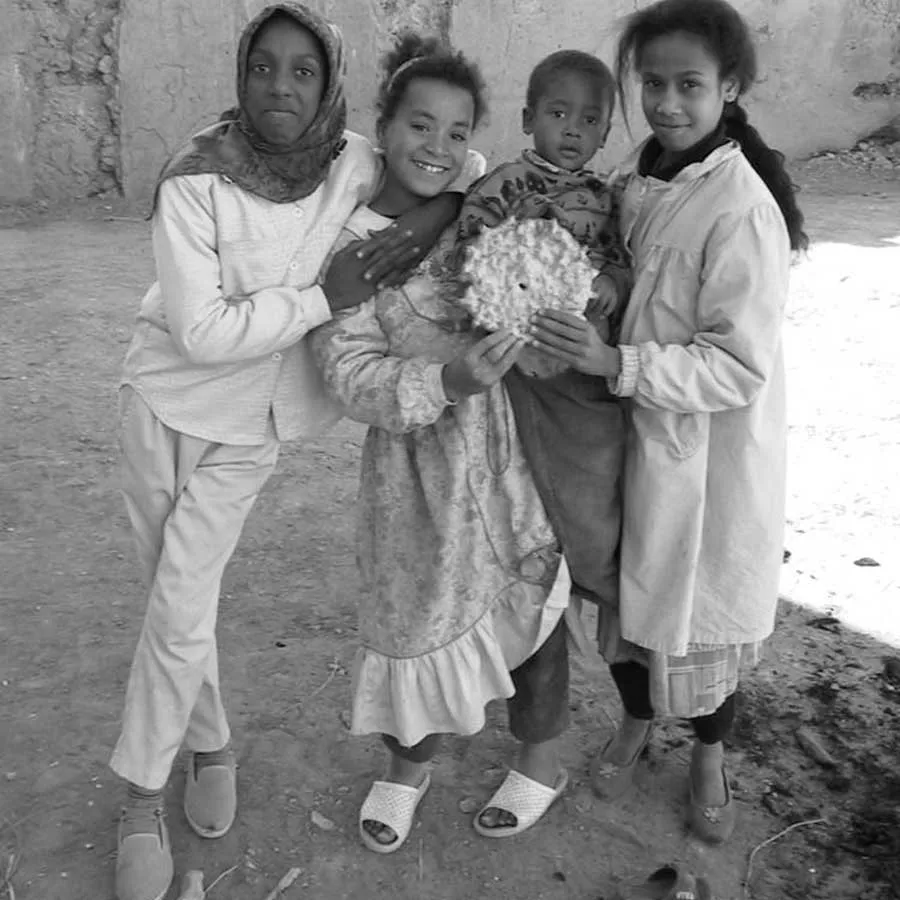
Fourteen years later, what has become of those children of long ago? I meet them again, some of them still nailed to the entrance of the kasbah. It is as though between 2000 and 2014, in the space of a single night, today had become yesterday again. Except that these children have grown older, children turned into adolescents too soon.
Between yesterday and today lies a whole stretch of sorrow, oblivion and dramatic misadventures. H. took his own life; T. served a year in prison and reoffended; M. fell into drug addiction and suffered an acute relapse, from which he miraculously recovered, though he still bears its after-effects; A. sniffs glue and shows the symptoms of serious mental illness… And the little girls of those days? M., H., Z. — “proletarians of love” for the Ouarzazis, or prisoners of pleasure? The rawness of what these poor girls have lived through makes it unnecessary to say more.
Of these boys, as of these girls, life has retained only the initials of their names. As for their future, it has scattered here and there, reduced to dust. Few are those, boys or girls, who have escaped, by chance, the tentacles of delinquency, prostitution, unemployment…
The childhood of the kasbah has therefore eroded behind the walls, its dreams suffocated and its youth condemned in advance. Perhaps these children bear a grudge against life, pointing an accusing finger at the abandonment, even the suspect complicity, of Ouarzazate society.
But, beyond every prejudice, beyond every pessimistic tendency, would these children from Taourirt ever be loved?
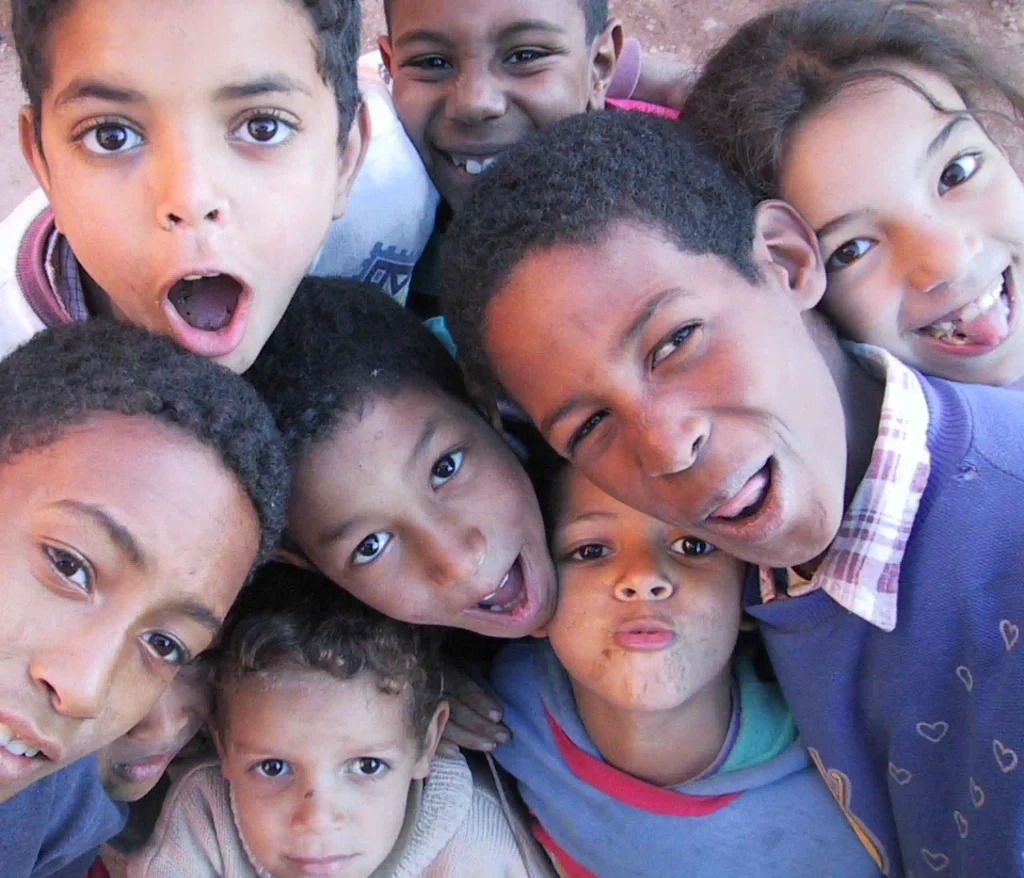
Photography credit:
Hicham Serrar, Taourirt, around 1999–2000. Archives sudestmaroc.com.

More to Explore

Leave a Reply