


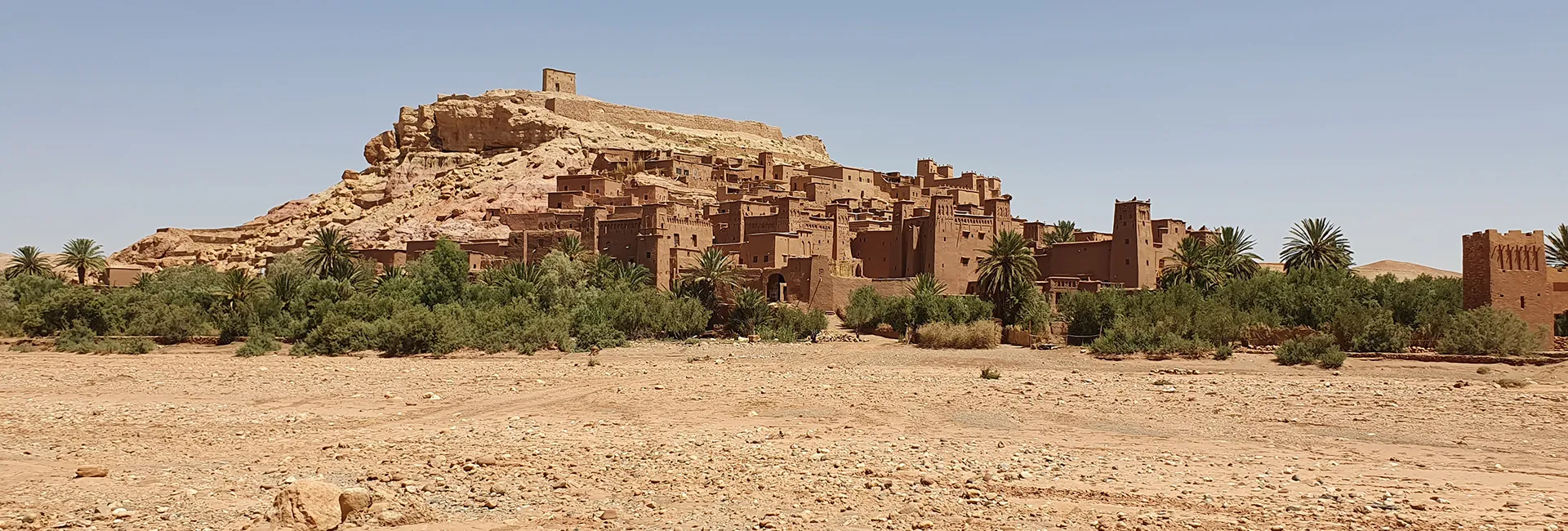
The House of Orality in the ksar of Aït Ben Haddou: a first for Morocco
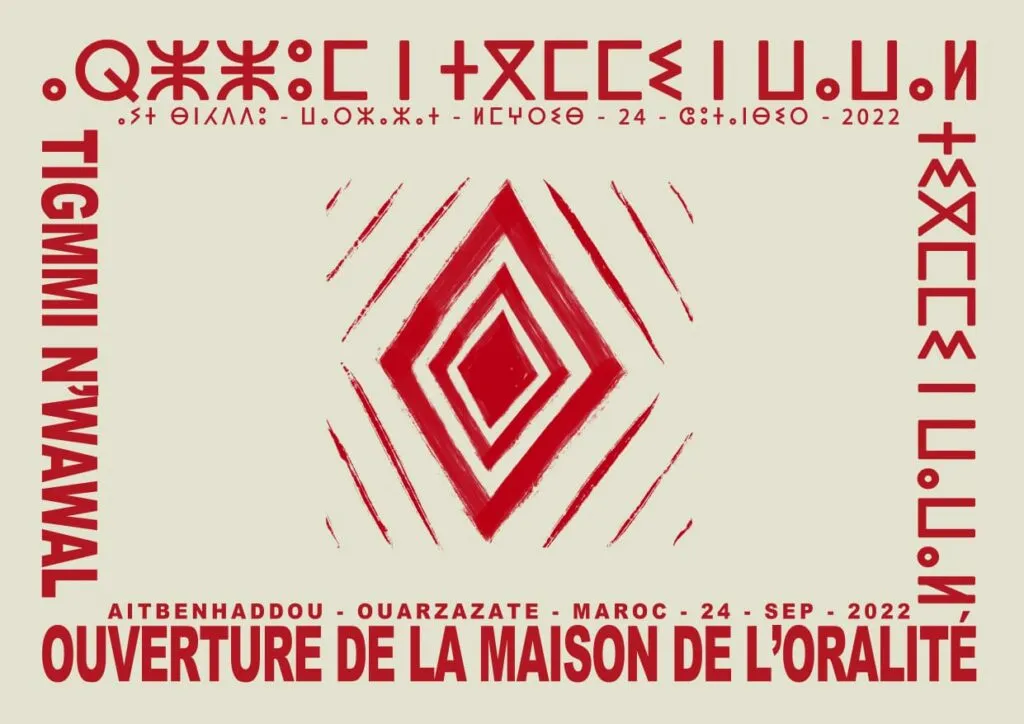
On 24 September 2022, a new cultural venue will add to the beauty of the already magnificent ksar of Aït Ben Haddou, this jewel of architectural heritage near Ouarzazate, recognised by UNESCO as a World Heritage Site in 1987. The result of years of work begun in 2016 by the inhabitants of the ksar and the Moroccan NGO We Speak Citizen, the House of Orality will open its doors and embark on its long-term mission to promote Morocco’s intangible cultural heritage, of which oral traditions are the most emblematic expression. All these cultural treasures, forgotten for far too long, are now in danger of disappearing. Yet they remain the living, vital bearers of Morocco’s identity.
Beyond the human condition itself, the oldest cosmogonies place sound at the very origin of the manifold creation of life, and the great sacred texts, such as the Vedas, the Quran and the Bible, were first transmitted orally before being committed to writing.
Likewise, it was through the spoken word that the first accounts of humanity’s tumultuous journey were passed down in tales of heroic exploits, as magnificently illustrated by the Iliad and the Odyssey of the celebrated storyteller Homer. Alongside them stand the myriad mythologies, tales and melodic chants, all joining in a single chorus to proclaim and celebrate, loud and clear, who we are as human beings and where we are going, in an attempt to forget, if only for a moment, our fragility and isolation in the immensity of space and time.
The Iliad, together with the Odyssey, is one of the two great founding epics of ancient Greek literature, attributed to the legendary bard (epic poet and reciter) Homer. Source: Wikipedia.
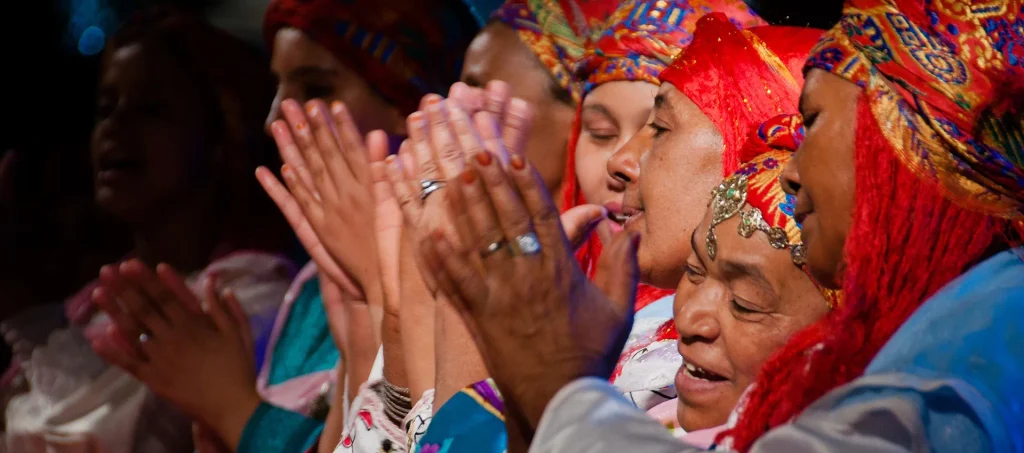
Morocco is no exception. The long history of its people is strewn with stories told around a fire, in the company of elders, or declaimed in poetry, accompanied by music and dance during village celebrations.
Here, as everywhere else, the spoken word has served to pass down traditions and customs, those of tribes and families alike, as well as essential skills such as the crafts deeply rooted in Morocco’s identity, which have endured through the centuries thanks to oral instruction from master to apprentice.
All these words passed from one person to another and from generation to generation, all these exchanges of experience, all these ways of life, these memories, these tales, these communal rites are indeed the jewels of the intangible dimension of Morocco’s cultural heritage, that unseen continent of its ancestral identity. As such, they deserve recognition, appreciation and protection.
This lies at the very heart of the House of Orality project in the ksar of Aït Ben Haddou.
A threefold mission in the service of Morocco’s intangible heritage
Recognition of this heritage requires meticulous observation to bring to light its innumerable components. That is why the House of Orality’s foremost mission will be to serve as a research centre, presenting to the public each year the findings of an in-depth study into one aspect of this intangible heritage. These findings will be shared both through exhibitions in its premises, which will be open to the public, and through regular publications that will enrich its documentary collection and thus better support the work of researchers and other enthusiasts.
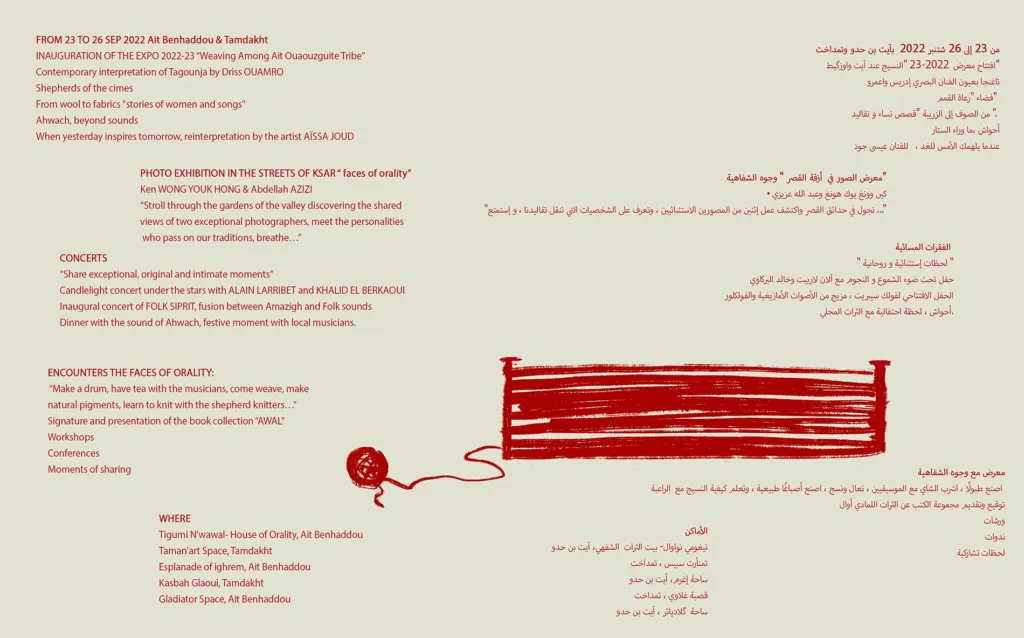
During its first year of activity, the House of Orality will therefore present the art of weaving in every dimension of its development throughout the history and life of rural Morocco, from sheep to loom, through wool and the precious processes involved in preparing it. Visitors following this journey of discovery will then be able to grasp the greatest virtue of orality: its ability to bind together all the constituent elements of a heritage.
Showcasing these jewels of Morocco’s intangible heritage obviously means presenting them to the public so that they may be discovered and admired in all their elegance. But the House of Orality aims to be something other than a museum. It will offer visitors a sensory encounter with all these elements of heritage, allowing them to be experienced for what they truly are: experiences of life.
Orality expresses humanity in all its vitality
Loubna Mouna, head of the NGO We Speak Citizen, clearly emphasises this dimension, which points to the foremost challenge faced by everyone involved in the project: how can homage be paid to Morocco’s intangible heritage without fossilising it in a museum or distorting it through folklorisation?
“The House of Orality is not a museum. It is a house that visitors will enter and leave with the experience of having lived through a ritual as it was, and still is, lived within Morocco’s communities.”
Loubna Mouna
The undertaking is neither simple nor familiar. It is unprecedented. It echoes the difficulties of bringing the intangible nature of a heritage rooted in the distant past to life in the present, at a time when our age is so utterly devoted to the rhythms of immediacy and the ephemeral.
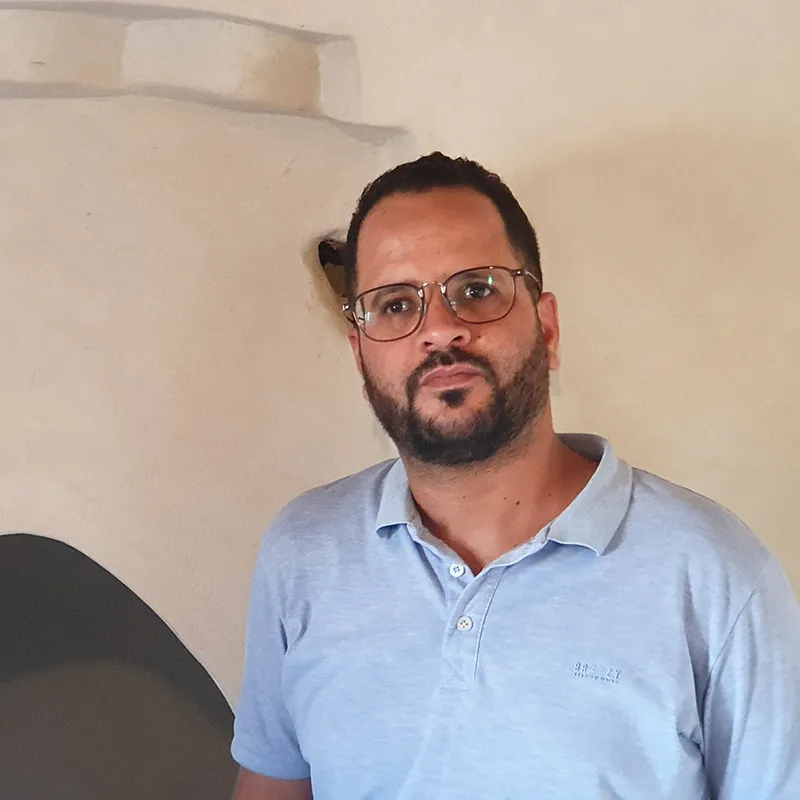
For Mustapha Merouan, the curator of the House of Orality, this paradox must in no way hinder efforts to promote and protect this heritage, and orality in particular. Indeed, in his view, orality, whatever the civilisation in which it is observed, is characterised precisely by community and immediacy.
Orality can thus be understood as an ever-renewed expression of the teeming vitality of our human dimension, in its existence, its journey, its evolution and its becoming.
“Orality beautifully expresses humanity in all its vitality.”
Mustapha Merouan
Passing it on as an answer to oblivion
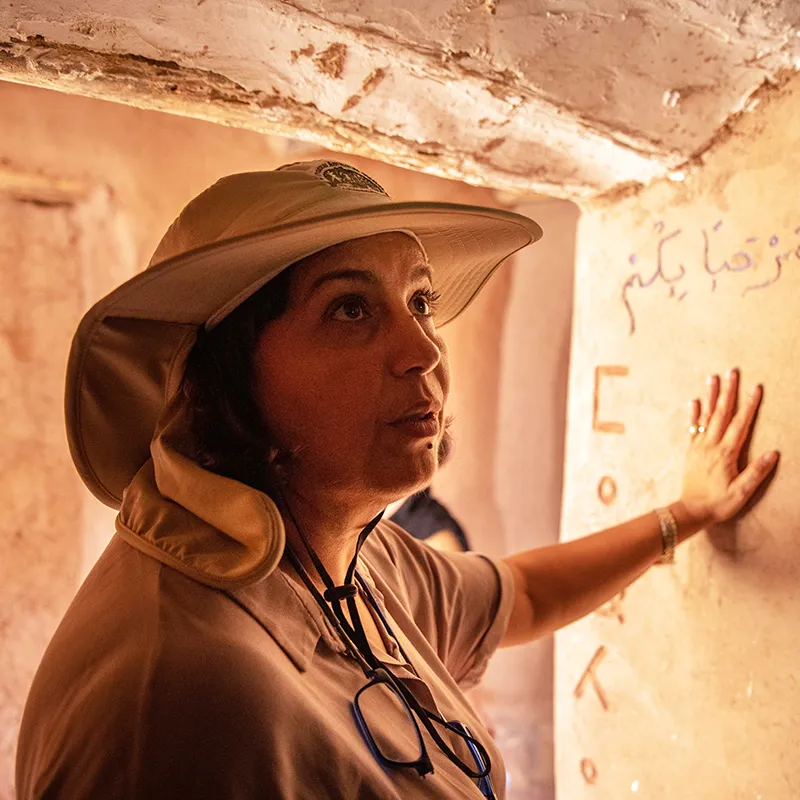
Finally, for the team behind the House of Orality, the best way to protect this intangible heritage, faced with the very real risk of fading away and being forgotten, is to pass it on to as many people as possible, with priority given to younger generations.
The exhibitions will therefore become travelling exhibitions, while the funds raised during this first year of activity will be used to open a second venue adjoining the House of Orality. This will become a centre for passing on all these intangible skills and forms of knowledge, offering the public awareness-raising and learning workshops led by master craftspeople in residence.
This particular attention to young people is ultimately the cornerstone of the entire project undertaken by the NGO We Speak Citizen within the ksar of Aït Ben Haddou.
The House of Orality began its work by collecting elements of intangible heritage preserved within the families of the ksar of Aït Ben Haddou, with the young people of this village community themselves undertaking the task. And it is above all a team of young people — researchers, videographers, photographers, craftspeople and artists, tourist guides, Moroccans and foreigners passing through — whom the NGO has mobilised to build, step by step, this remarkable synergy, vibrant and creative, in the service of Morocco’s cultural heritage.
Paying tribute to orality as an invitation to speak to one another
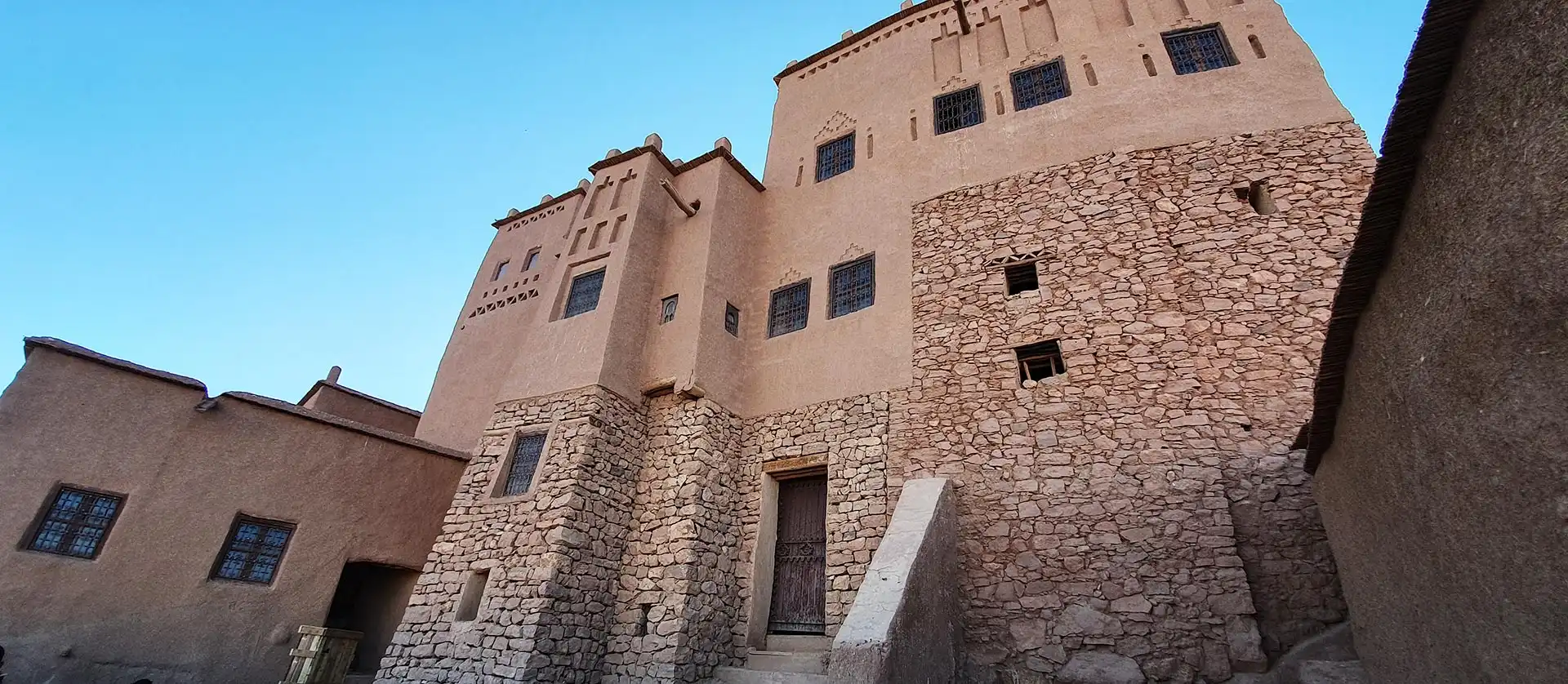
The efforts of all those who have taken part in this adventure will soon come to fruition during the opening days of the House of Orality, nestled in its magnificent buildings of stone and earth, overlooking the maze of narrow streets and houses of the old and noble ksar.
The orality presented there will make the singular voice of Moroccan heritage, warm with all its colours, resonate in the hearts of visitors.
But as visitors cross the threshold of this house and allow themselves to be guided along this journey of the senses, let us not forget that orality, in all its forms and uses, is above all an affirmation of universality. Beyond our differences, and in the face of the formidable challenges confronting us, orality embodies a humanity in conversation.
Further reading: A House of Orality in which Morocco tells its stories
To visit: The House of Orality
Contact: contact.maisondeloralite@gmail.com
The House of Orality online: visitaitbenhaddou.com

More to Explore
Leave a Reply